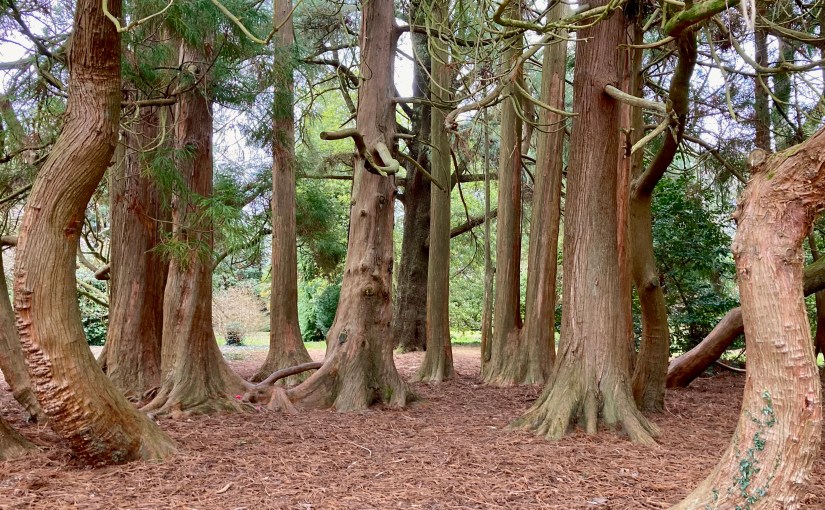
Sometimes my thoughts are
scattered
and I have to
go and gather them—I have to
use my feet and walk I have to
leave my seat and clock and
somewhere in the great
outdoors
in open skies
and grassy floors
I find the threads and pull them in
and now the weaving can begin
and when I go back home again
I understand
Category: Nature
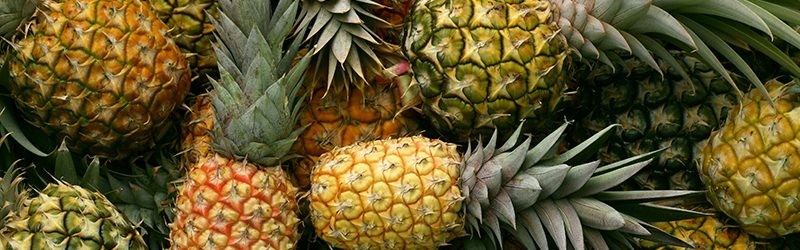
John’s Magnificent Pineapples
There once was a man named John the Magnificent. At least, that’s that he called himself. He lived near our home in Ireland a long time ago. I only know about him because of the effort he put in to proving his chosen name—because his manor house really is magnificent, and is still surrounded by gorgeous gardens that are now open to the public (I’m not sure John would approve of this, but he hasn’t said anything). In John’s day, a garden was a great way to display your wealth. His arboretum includes exotic specimens from around the world, and his greenhouses were so well designed and equipped that he was able to serve his guests home-grown pineapples—in Ireland!
Continue reading John’s Magnificent Pineapples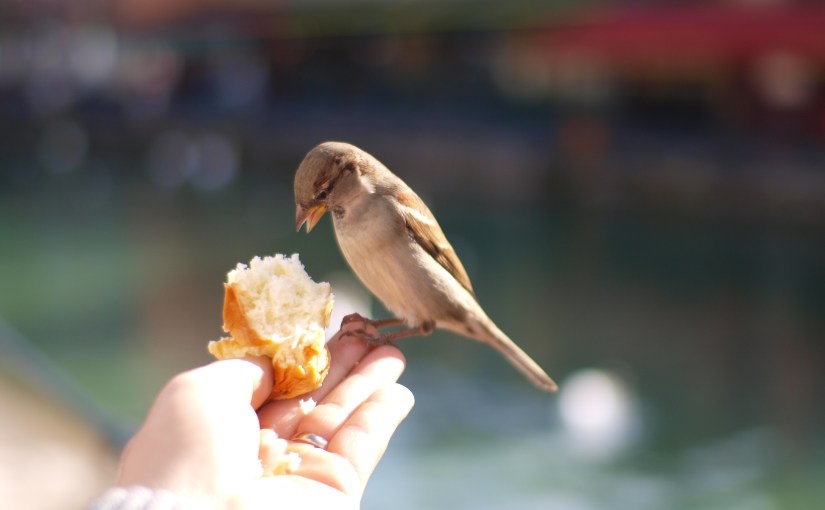
Of Birds, Baguettes, And Being A Creature
On a lakeshore in the French Alps, the old city of Annecy rises to meet the castle that crowns the hill. At the water’s edge, shops and restaurants trade in the same buildings that were used by medieval merchants. Our children were small when our family visited, but the memories are still clear in my mind. I remember the woman beside the water with a baguette, feeding the birds. I remember how fascinated the children were at how she could get the birds to come and eat bread right out of her hands. Then, when she noticed them noticing her, she generously gave the rest of her baguette to our family so that we could try it, too. Sure enough, a few bits of baguette was all it took to attract flocks of sparrows who flew around our heads, landed on our fingers and ate right out of our outstretched hands. Then again, who wouldn’t accept an invitation to share in a proper French baguette? As they came, we wondered at their tiny bodies, and we laughed at the feeling of their feet on our fingers. I suppose all animals will be this friendly and unafraid in the new creation. That will be glorious.
Continue reading Of Birds, Baguettes, And Being A Creature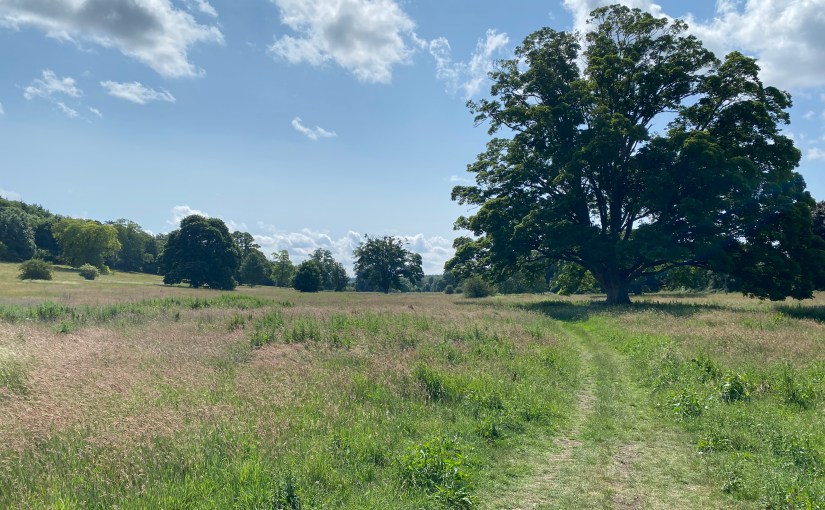
Appreciation Grows With Knowledge
The car windows were open, and Carlos Santana was making his guitar sing out of our stereo in ways that few can imitate. With the wind in her hair, my wife commented from the passenger seat that she reckoned people who play guitar probably appreciate his solos more than she could. She’s an experienced musician herself, but her instrument is piano. I play guitar—but I wouldn’t claim such a thing in front of Carlos. Still, even my amateur knowledge makes me see the truth in what my wife said. I’ve tried to learn my scales and unlock the hidden order of the fretboard and train my fingers to move freely along it—and I have not succeeded. When I hear someone whose mastery of the instrument is as complete as Santana’s, I think my own attempts—as small as they are—really do make me appreciate his abilities in a different way. My limited experience with the instrument gives me the beginnings of a context for the kind of work he must have put in day after day and year after year to develop his seemingly effortless (yet in reality hard won) talent. I’d imagine if I was more accomplished at guitar myself, I would appreciate the skill of masters like Santana even more. As my knowledge of music grows, my appreciation grows along with it.
Continue reading Appreciation Grows With Knowledge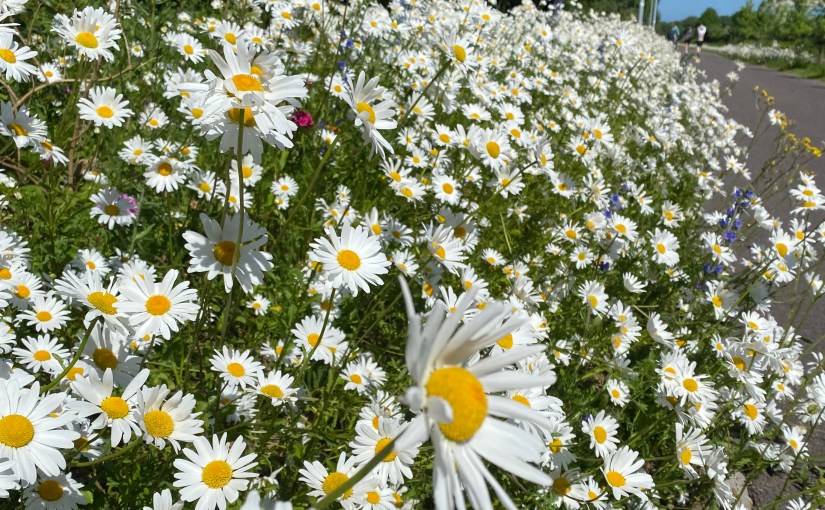
Wildflowers Anonymous (a poem)
Hello my name is
Wildflower
Here today and
Gone tomorrow
Bursting glory
In my hour
Then I fade away
With me are ten thousand
Others—each one with
The same bright colours
How will I stand out from these
If I am just the same?
I don’t mind
It’s not my job
My colours are
A gift from God
And if I bloom
For just one day
And if a million
Are the same
And if nobody
Learns my name
I’ll still bloom here—
I still will bring
My little piece of glory
Sing
My song into the story
For my Maker
For my King
Three Castle Head
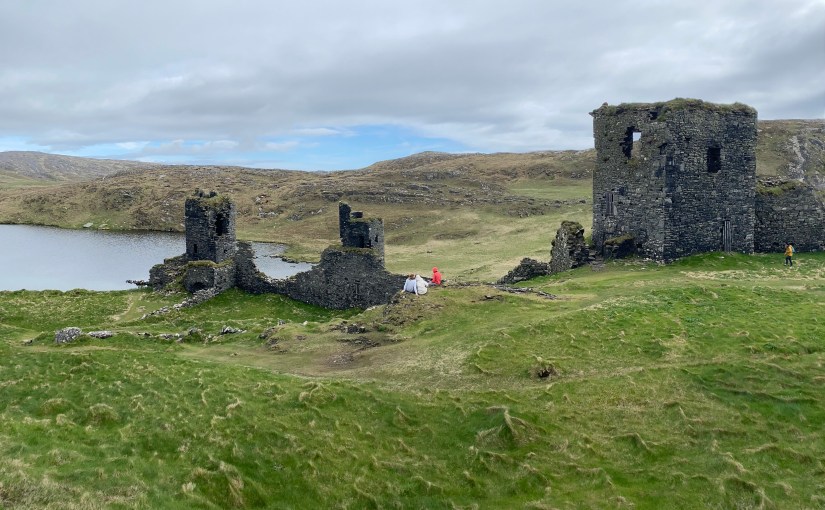
On a sunny day in the Spring, we pulled the car into a gravel parking area at the end of a remote peninsula in Ireland. The sea shimmered in the light beyond the deep green fields lined and dotted with grey rock walls and white sheep. We opened the gate and crossed a field, and then another, and another, carefully following the faint paths worn by the feet of those who had come here before us. Sometimes we had to make a choice—it seems not all of our predecessors had gone the same way. Or did hooves make one trail, and feet another? Eventually the grassy fields gave way to rocky hills, and we scrambled up one side and down the other where the grass and mud and boulders and the sound of the sea all blend together into a kind of otherworldly magic and I had to remind myself that I wasn’t looking at an illustration of the Wild Lands of Narnia—I was in the real, tangible, wild of the actual world.
Continue reading Three Castle Head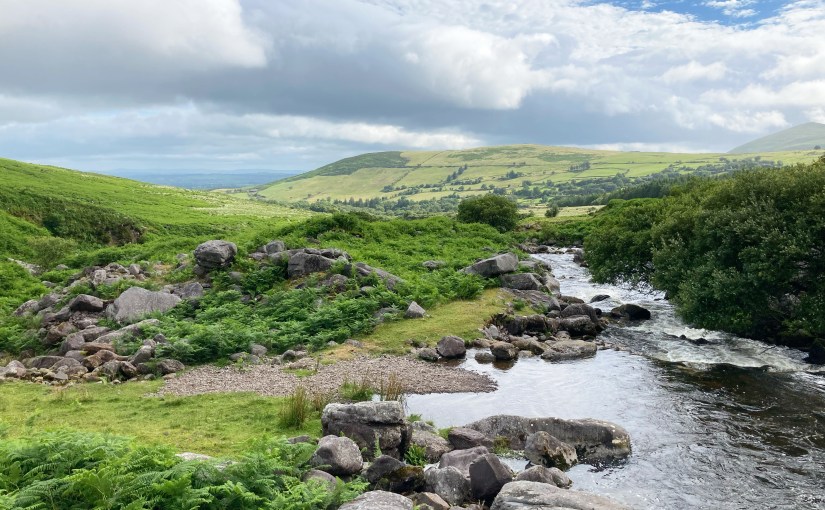
I Don’t Know Where The Streams Are
One warm Monday evening, I found myself with half an hour to fill as I waited for one of my children to have a music lesson. Across the street was a new greenway, quietly inviting me to spend the time strolling instead of scrolling. The path passed along roads I’d travelled many times in the car, so I didn’t expect to see anything new, just to stretch my legs. I was wrong.
Things look different when you’re walking. You have time to notice the individual wildflowers, and the meadow behind the wall with the horses in it that you just couldn’t see from the driver’s seat of the car. The discovery that surprised me most, though, was the stream running right beside the road. Through the crowded trees and bushes it babbles away constantly as it splashes its way over rocks and under roots and how did I travel this road so many times and never even know this was here?
Continue reading I Don’t Know Where The Streams Are
Afternoon (a poem)
At first all I feel is
The stillness and peace—
The silence of grass and
The patience of trees
Then slowly my senses
Begin to attune
To the business of nature
This warm afternoon
The birds chatter on
With their intricate songs
And there must be a meaning
To what I am hearing
While bees move with vigour
From flower to flower
A butterfly, also—
Though his schedule’s lighter
And now I see flies
And some midges float by
And an ant—and the action
Is filling my eyes!
And though it is quiet
Compared to my screens
And though it is peaceful
There’s work for the trees
As they silently grow
And the ivy and gorse
And the grass-eating horse
For the peace of this earth
Isn’t lazy or languid
It’s busy and blessed
And yet somehow,
At rest
What The Mysteries Of The Universe Teach Us About God
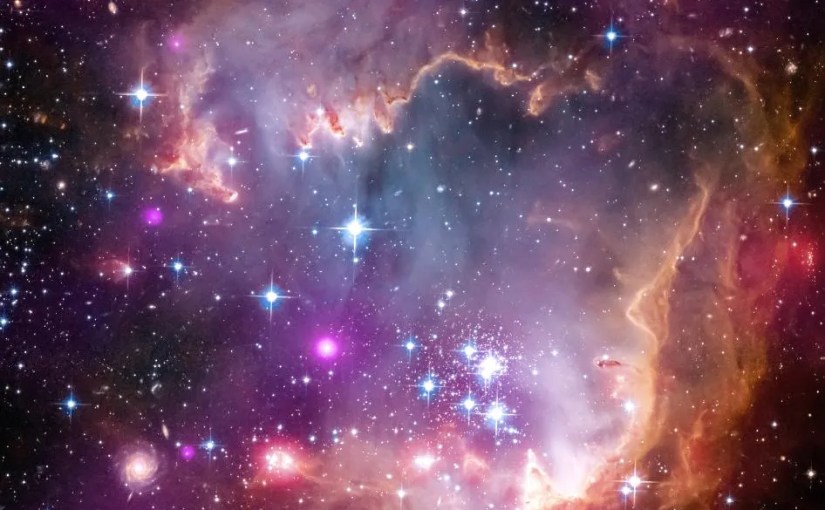
Every so often I run across a news article about new discoveries that could reshape our understanding of the universe, or how some scientists are proposing new ways of thinking about the questions that continue to confound our best efforts of explanation. As our knowledge grows and our scientific theories continually shift in response, it’s obvious that our experts are still out of their depth in the mysteries of creation. It often seems that the more we find out about the universe, the more questions we end up having about it. For all we’ve discovered, we still don’t know some of the fundamental basics about how it works. Yes, we have theories like dark matter to explain anomalies we don’t understand, but we’ve never observed dark matter and we may very well be wrong about it. We theorise about black holes, and postulate about the meaning of ripples in the space-time continuum. At the heart of the physical universe that supports our lives, there are mysteries that still boggle our minds. We know this, and accept it, even as we work to understand more. But while people have learned to live with this tension in our knowledge of the fundamental realities of the universe, they often reject the exact same dynamic when it comes to the One who created the universe. If you think about this, it doesn’t make sense.
Why should we expect the Creator to be easier to understand than his creation? Wouldn’t we rather expect him to be even deeper, even broader and more expansive than anything he made? Wouldn’t he, of all things, be the most mind-blowing reality of all?
Continue reading What The Mysteries Of The Universe Teach Us About God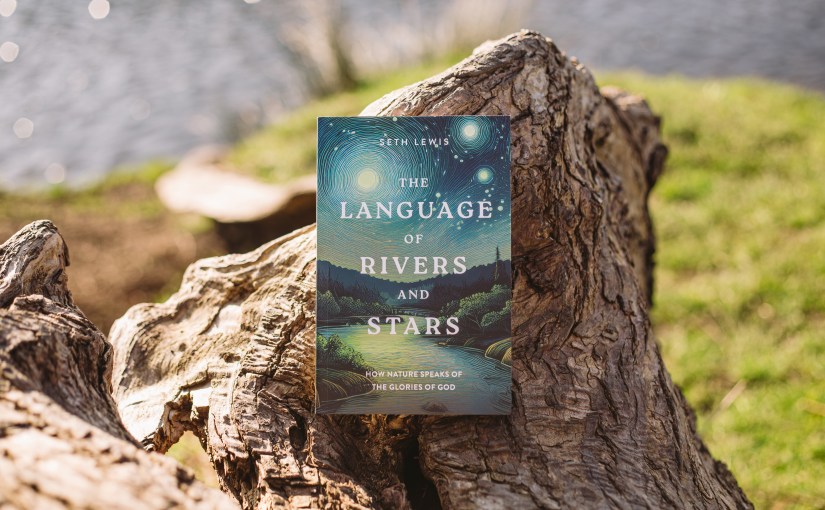
The Language of Rivers and Stars
While the children were off school this Easter our family took a trip to explore Mizen Head, the southernmost tip of Ireland. It’s a remote peninsula where the rocky, wild terrain is dotted with cottages of white or pale yellow and the land is a patchwork of squares and rectangles divided by low stone walls. Clusters of sheep and cows surround tiny villages with steeples in the middle and strings of houses and pubs and shops that might be out of eggs if you get there too late. At the southern point where the land runs out there’s an old signal station that’s become a tourist attraction, reached by a footbridge that stretches between impassable sea cliffs. When we walked across and looked down we saw three seals far below us, relaxing in a rocky inlet surrounded by towering, jagged rocks while the seagulls soared above our heads. In the far distance, we could just make out the shape of Fastnet Rock, a tiny island of stone where people managed—somehow—to build a lighthouse to warn those at sea of the ship-shattering dangers around them. At our feet the just-blooming sea-pinks waved in the breeze and I wondered again how these flowers manage—and even seem to prefer—to grow in places where there is so little soil and so much violent wind from the ever-turbulent ocean.
Continue reading The Language of Rivers and Stars
