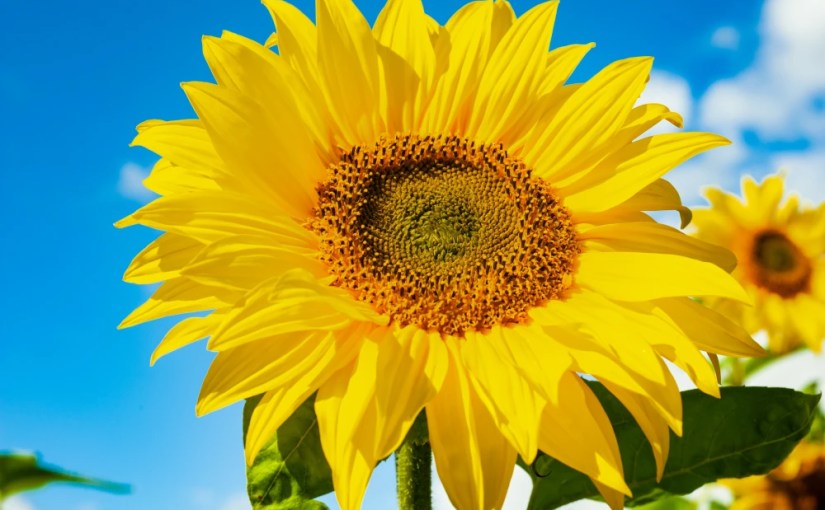
Easter Sunday was a few days ago now, but that doesn’t mean it’s over. The effects of what we celebrated last Sunday continue to grow, slowly, like the buds of spring continue to open all around us and the fresh green continues to deepen into maturity and the apple blossoms transform themselves, somehow, into delicious fruit. Jesus said, “unless a grain of wheat falls into the earth and dies, it remains alone; but if it dies, it bears much fruit” (John 12:24). Then he died—for us. Now, 2,000 years later, his resurrection is still bearing fruit—transforming the cold, dead hearts of sinful, proud, selfish people who trust in his forgiveness and salvation into living, loving, new creations—a transformation that is every bit as glorious and surprising as the growth of a tiny, dull little sunflower seed into a towering, thriving wonder of nature. This is how God works. He does nothing by half-measures. He doesn’t ease off once he’s done enough to get by. He goes on, and on, and on—working wonders far beyond anything we could ask or imagine, and glories no mind has conceived (1 Corinthians 2:9). That’s why, in 1 Corinthians 15, Paul uses seeds as an illustration of the resurrection of God’s people:
Continue reading Easter Isn’t OverTag: hope
Realism And Resurrection
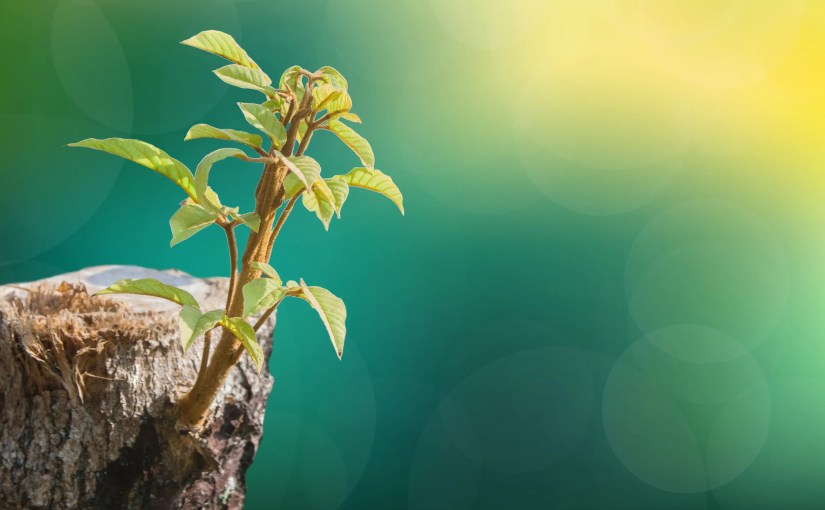
Perhaps it’s a product of growing up, but I do feel that the passing years have tarnished the old optimism I remember from the world of my childhood. There were always deep problems in the world—even I knew this growing up—but there was also a general sense of progress in the air, at least as I remember it. There was a hopeful feeling back then that our problems were not insurmountable, and better days were ahead. Science was supposed to solve some of our challenges, politics would solve others, and culture and civilisation would inevitably advance, even if the process was slow and bumpy. Those were the days when the unified, peaceful vision of a harmonious humanity depicted in shows like Star Trek felt like it could be a real possibility someday—minus the teleporters, of course.
Now we’re not so sure. The world feels different. Maybe our new technologies haven’t been all that we hoped they would be. Maybe our political leaders have burned us too many times and left us disillusioned with the system. Wars have continued relentlessly, as have human trafficking and slavery and corruption. Selfishness, injustice, and cruelty still plague our cultures and institutions, and they can pop up unexpectedly in our own hearts, too. Things are still moving quickly, but it’s become clear that movement isn’t necessarily progress. The old optimism of my memory has given way to a tired realism that doesn’t expect as much, hope as much, or feel as disappointed when everything goes sideways—isn’t the whole world constantly spinning sideways anyway?
Continue reading Realism And Resurrection
A Christmas Selection Box 2024
One of the standard features of Christmas in Ireland is the chocolate selection box. It’s a great tradition—who wouldn’t like a box filled with a variety of different chocolates to enjoy over the holidays? I can’t give you chocolate today, but I’ve made it a tradition to collect and share a variety of Christmas treats every December from around the internet. Enjoy!
Continue reading A Christmas Selection Box 2024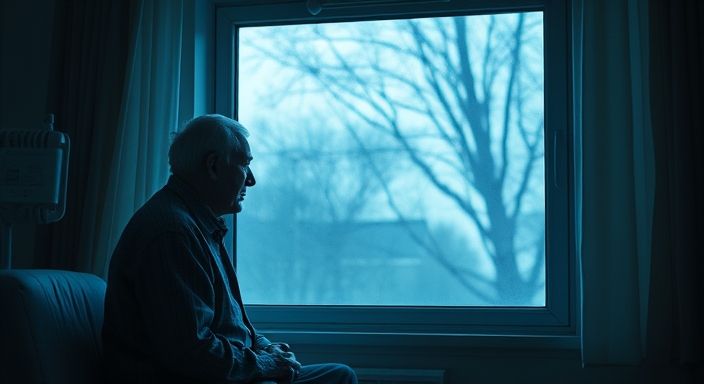
Assisted Suicide And The Meaning Of Life
Our representatives in Dublin are voting this evening on whether to approve recommendations for assisted suicide in Ireland. This is only an indicative vote, a first step towards changing our laws, but it is a step that will pave the way for official legislation to be brought forward in the future. The argument in favour of this change is usually framed in the language of compassion and choice—that those who are suffering greatly should be able to end their suffering—and their lives—on their own terms. There are, however, many significant concerns raised in the debate as well. For example, there is the unspoken (or perhaps spoken) pressure to die that allowing this option places on good-hearted people who hate to be a burden on others. Is that really a free choice? Or consider the obvious cost-cutting incentive that assisted suicide gives the health service to end lives rather than provide expensive palliative care. Does that really promote compassion? These concerns are reason enough to oppose assisted suicide, especially in light of the heartbreaking evidence from countries who have already started down this road. But I have another more fundamental objection. I know that the one great benefit and argument for assisted suicide is that it ends suffering. This is true enough. The trouble is that it ends suffering not by treating or managing it, but rather by ending the sufferer. In doing so, assisted suicide creates a new category for our culture—a category of human life that society agrees is simply not worth living.
Continue reading Assisted Suicide And The Meaning Of Life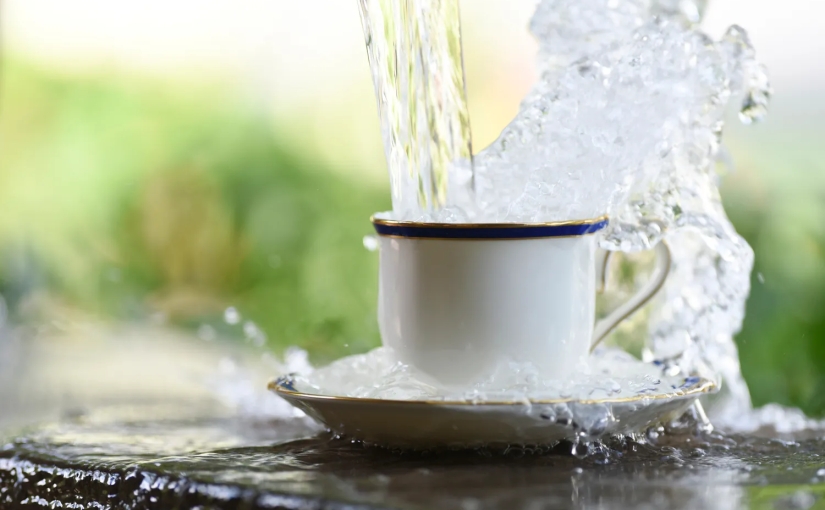
Beyond Measure
When we speak about blessings, we usually speak about the good things we enjoy, like family, friends, a nice holiday, or a great coffee. These are wonderful blessings, worth counting, and giving thanks for. And yet I was reminded recently (through a prayer of thanks offered by a friend) that when the Bible speaks of blessings, the language it uses is often far more extreme than the language we’re accustomed to using ourselves. Paul tells us that “no human mind has conceived” the greatness of “the things God has prepared for those who love him“ (1 Corinthians 2:9). In other words, God’s blessings for his children are literally off the charts, stretching beyond the borders of imagination. “My cup overflows”, says David, in Psalm 23, and in Psalm 16 he speaks of how,
“You make known to me the path of life;
you will fill me with joy in your presence,
with eternal pleasures at your right hand.”
The Challenge Of Choosing Between Bitter And Better
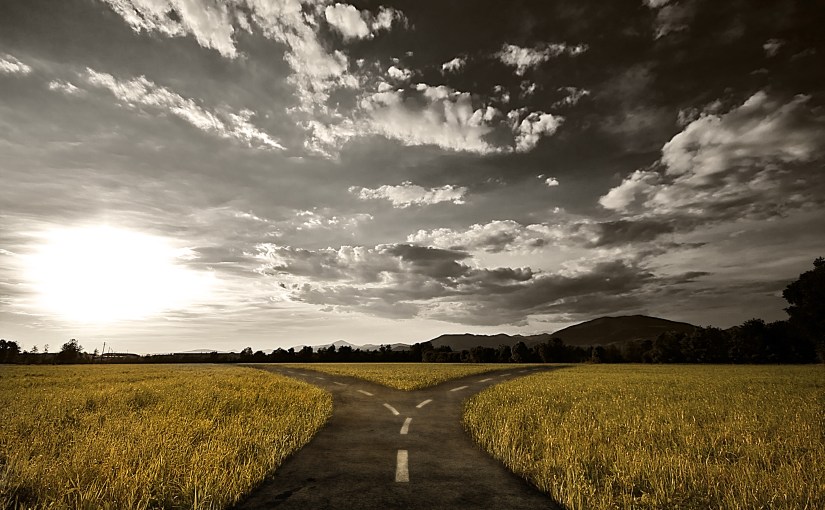
There may only be one letter between bitter and better, but like street signs on the same post, the two words point us in opposite directions. And these signposts are planted firmly, with the same two arrows, at every difficult junction we face on the road of life. No matter how well we may have chosen in the past, or how poorly, the same choice always presents itself all over again: will we let the difficulties of life make us better? Or bitter?
It’s obvious, isn’t it? One choice is literally named “better.” So that’s clearly the choice we’ll always make. Right? Why would we willingly choose to travel a bitter road when a better option is always available to us? The answer is this: we don’t always believe the signposts.
Continue reading The Challenge Of Choosing Between Bitter And Better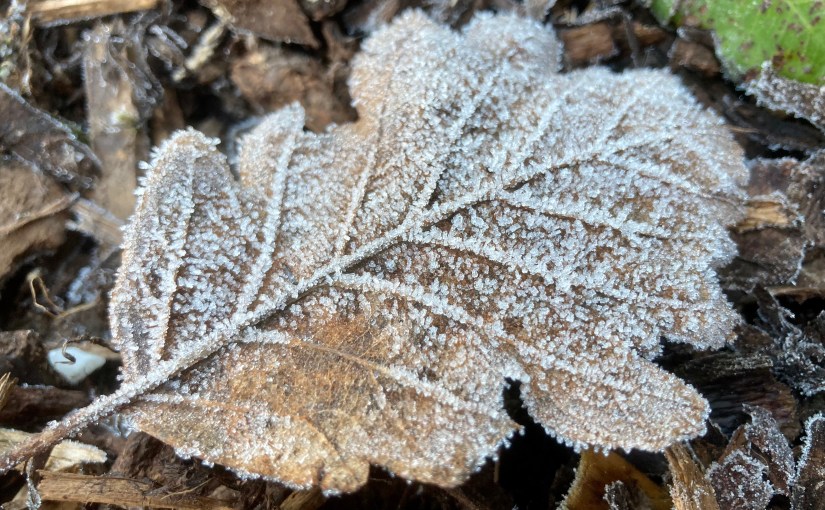
Another Chance (a poem)
It’s been months since I paid any attention to the long-lost autumn leaves that are lying in the grass alongside the roads and paths that I walk on. The glorious colour they impressed me with when they fell is nothing but a memory now. Then again, have you seen what frost can do to a leaf on the ground? This morning, every vein of every leaf is highlighted in white—the intricate patterns stand out in shimmering relief—and once again my eyes are drawn in renewed wonder. A few weeks ago, I would have told you that these leaves were far beyond their glory days. This morning, they shine unexpectedly with a new and different kind of glory. Our Creator can make beauty shine from a pile of dead leaves, and anywhere he wants, and long after we’ve given up hope of it ever coming again.
Continue reading Another Chance (a poem)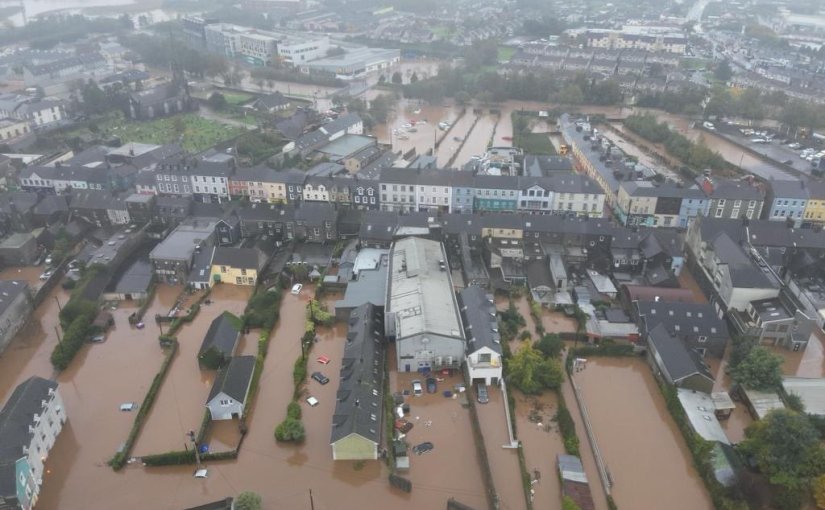
After The Flood
When the children went to school last Wednesday, it was raining. This is Ireland. We’re used to rain. Met Éireann gave an orange weather warning, but that almost always just means a bit of gusty wind or extra rain. I barely noticed. It wasn’t until the afternoon that I realised that this time it was not just a little bit extra—it was a month’s worth of rain, in 24 hours. The ground, so green and lush and well-watered, refused to take any more. The rivers carried away what they could, but they couldn’t carry it fast enough. Their banks broke. The green fields quickly became brown lakes. Then the lakes came into the streets, and the streets became rivers. And rivers don’t knock before they come inside.
Continue reading After The Flood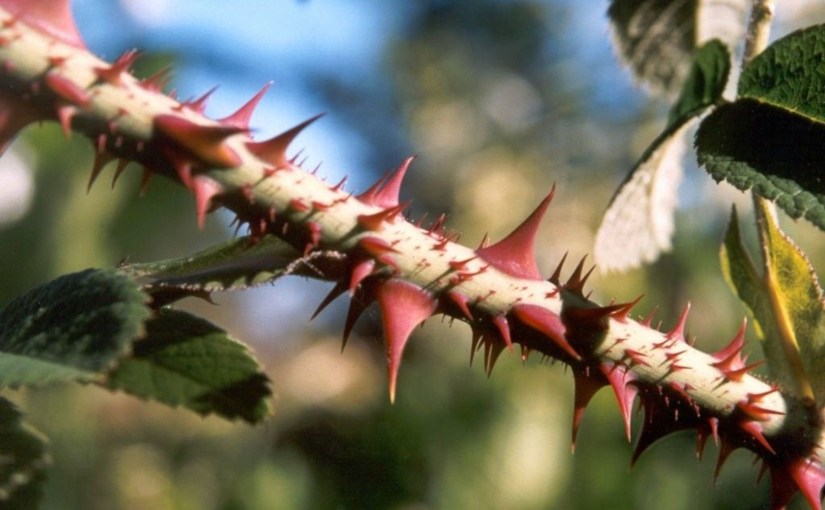
The Weeds (a poem)
You don’t know how bad the weeds are until you try to plant and keep a garden. In a similar way, as C.S. Lewis put it, “no man knows how bad he is till he has tried very hard to be good.” These are the things I was thinking about when I wrote this poem:
Continue reading The Weeds (a poem)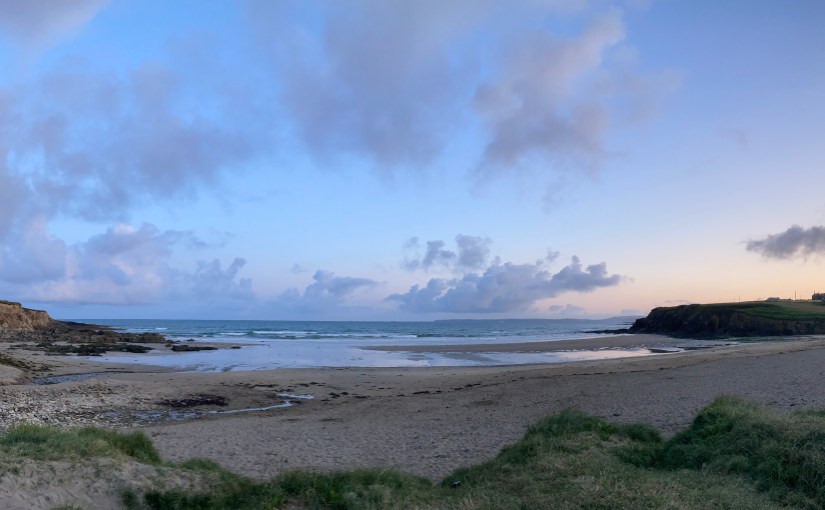
The End
Yesterday my wife and I attended the funeral of a friend that we will miss dearly. We still hear the echo of his deep voice in our ears, singing to the God he loved and served so well for so long. We will carry the memory of his smile and kind words with us as a precious treasure for the rest of our lives.
It’s hard to say goodbye.
It’s hard, but we need to do it. We need to remember, and grieve. We need to look back with thankfulness and look forward with hope.
But who can dare to look forward at a funeral?
Who can see beyond the finality of death?
 sethlewis.ie