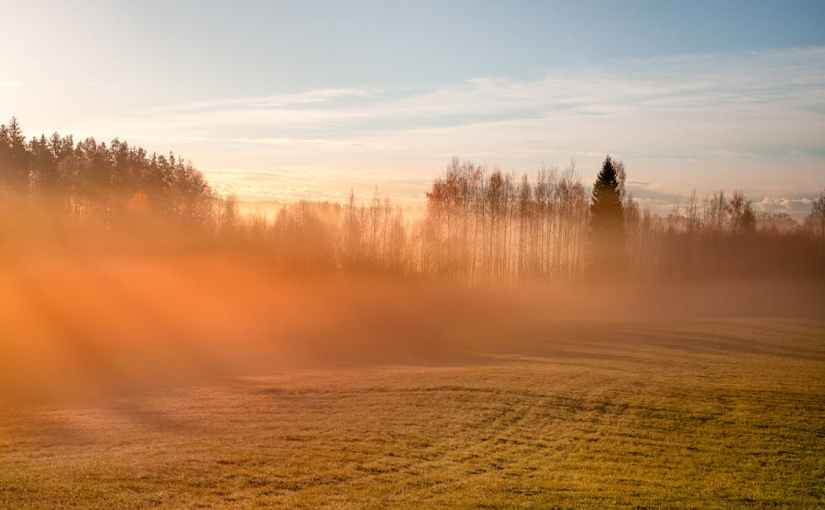
I stood at the window with my coffee in hand, enjoying the unique stillness of a Saturday morning. The clouds in the eastern sky were blushing, in anticipation of the sun’s imminent arrival. Between me and them, a mist was rising, like the earth’s exhaled breath—growing, shifting, and dispersing, glowing in the golden morning glory. A breath. A vapour. This is what King Solomon called life itself, in the book of Ecclesiastes. Like your own breath in the crisp winter air—you can see it and feel the warmth of it, but the one thing you can never do is hold it.
Continue reading Life is a Vapour. Enjoy it.Tag: Bible
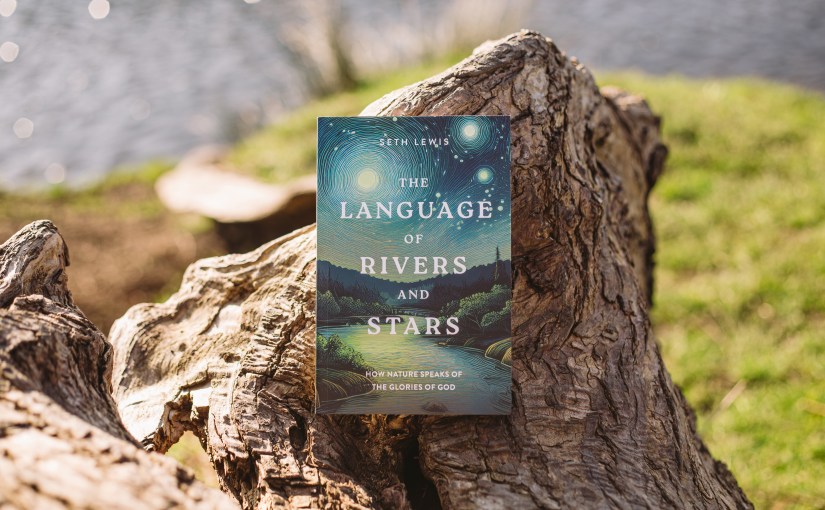
The Language of Rivers and Stars
While the children were off school this Easter our family took a trip to explore Mizen Head, the southernmost tip of Ireland. It’s a remote peninsula where the rocky, wild terrain is dotted with cottages of white or pale yellow and the land is a patchwork of squares and rectangles divided by low stone walls. Clusters of sheep and cows surround tiny villages with steeples in the middle and strings of houses and pubs and shops that might be out of eggs if you get there too late. At the southern point where the land runs out there’s an old signal station that’s become a tourist attraction, reached by a footbridge that stretches between impassable sea cliffs. When we walked across and looked down we saw three seals far below us, relaxing in a rocky inlet surrounded by towering, jagged rocks while the seagulls soared above our heads. In the far distance, we could just make out the shape of Fastnet Rock, a tiny island of stone where people managed—somehow—to build a lighthouse to warn those at sea of the ship-shattering dangers around them. At our feet the just-blooming sea-pinks waved in the breeze and I wondered again how these flowers manage—and even seem to prefer—to grow in places where there is so little soil and so much violent wind from the ever-turbulent ocean.
Continue reading The Language of Rivers and Stars
Changing The Question
Under the cover of darkness, a prominent religious leader sought out the controversial Nazarene that was dividing opinion across the nation. Nicodemus was intrigued by the miracles that Jesus was performing, and wanted to hear more of his teaching. Jesus received him but immediately redirected him, showing Nicodemus that more teaching was not what he needed. What he needed was new life—new birth by God’s Spirit, into life that lasts forever. Nicodemus did not come to Jesus looking for new birth. Jesus did not answer the questions Nicodemus came to ask—he answered the question Nicodemus should have asked. All through the gospels Jesus redirects people’s questions in surprising ways, not only changing the answer from what they expected, but changing the question itself. For example:
Continue reading Changing The Question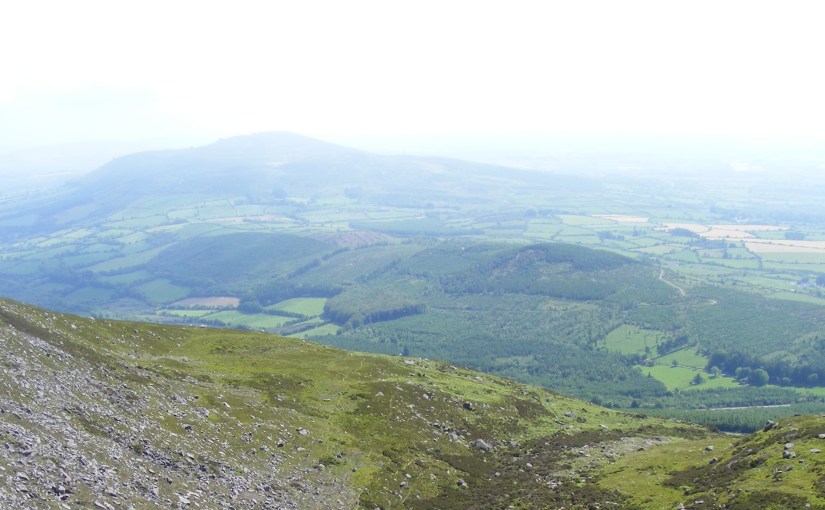
A Wide Place
As the youngest of four children, I was always the last to experience the privileges that came with growing up. I remember one year waiting impatiently for my birthday—the day I would finally be allowed to have my very own pocketknife. I wanted it right away. I wanted to carve sticks and notch arrows like my older brother could. But my parents were very strict: I had to be old enough, and I also had to be trained through Scouts in how to use knives properly and safely. I knew that my pocketknife privileges would be revoked the first time I failed to abide by the safety rules I learned. I didn’t fully understand why my parents were so serious about these regulations until my neighbour cut his thumb with a pocketknife badly enough to need stitches. After that, I saw the wisdom of my parent’s rules more clearly. Their strictness was protecting me and freeing me to enjoy the benefits of my pocketknife without being hurt by it. I saw that their commands were actually an expression of their love for me.
Continue reading A Wide Place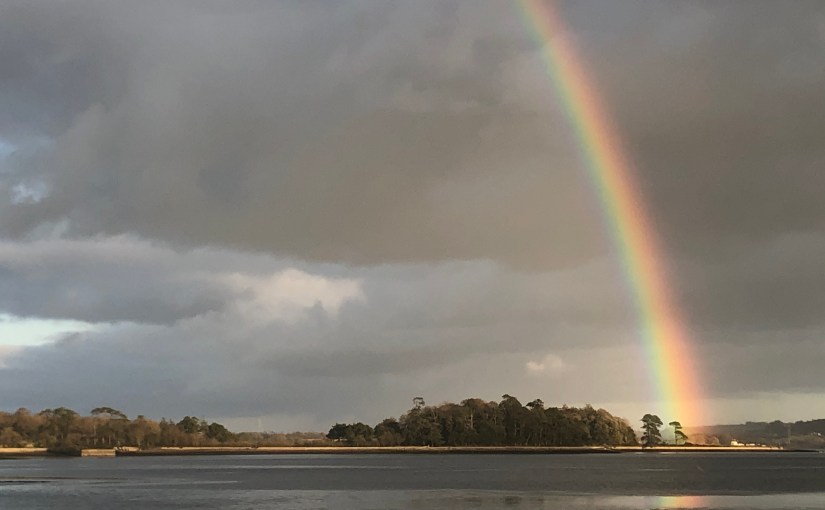
He Didn’t Have To Promise
What do we have that God didn’t give us?
Our bodies are the work of his hands. Our hearts beat with his gift of life. Our lungs fill with his air. Our minds are aware with his gift of consciousness. Our strength and abilities come from him. Even the abilities we work hard to develop ourselves come from him, because what are we developing except his gifts, using the strength and life he gave us?
Continue reading He Didn’t Have To Promise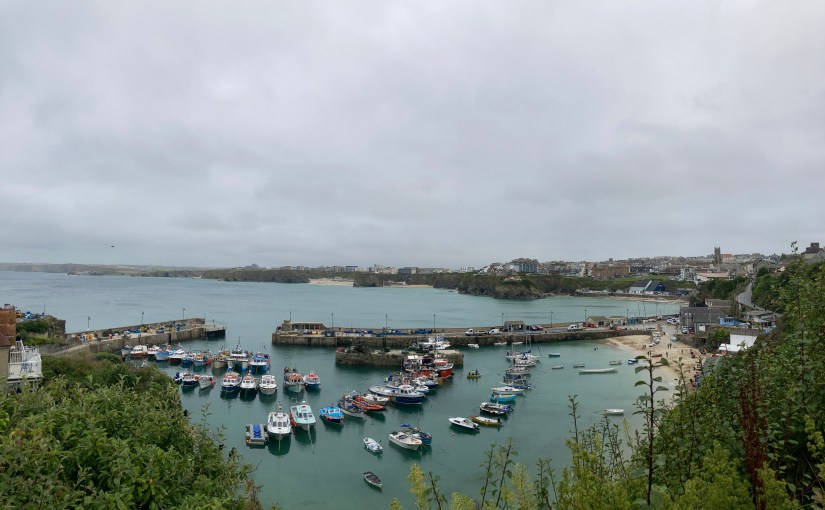
Around The Web
Today I’d like to share a few articles from around the web that I’ve enjoyed recently. Maybe you’ll enjoy them, too.
Continue reading Around The Web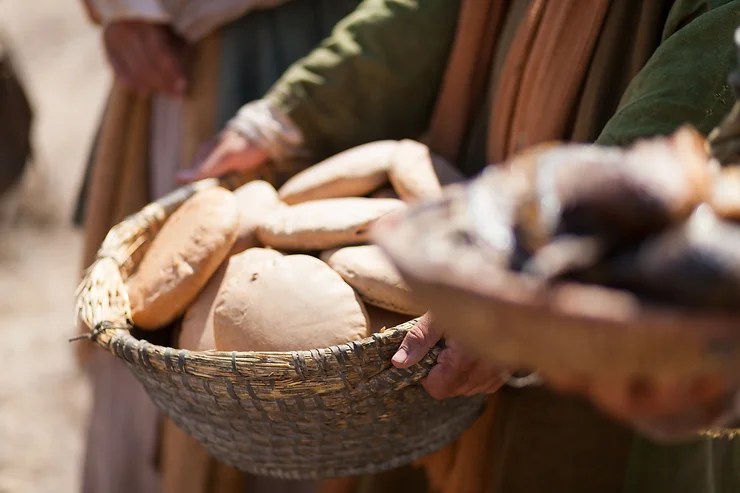
More Than You Can Handle
John the Baptist was dead. Beheaded. It was unjust, brutal, and senseless. On hearing the news, Jesus left what he was doing and went with his disciples to a solitary place. He must have wanted to mourn, and pray, away from the crowds. But when he arrived, there was no solitude: somehow, word had spread about where he was going, and now a large crowd was waiting for him. Matthew records that Jesus didn’t send them away or throw himself a pity party—“he had compassion on them and healed their sick.” They were suffering, too.
As the day wore on, Jesus’ disciples began to be concerned: what would these people eat for dinner, out there in the middle of nowhere? No one had planned logistics for a gathering like this. Taking stock of the situation, they made a practical suggestion that Jesus send the crowd away so that they could get to the villages and buy food for themselves. Jesus replied: “They do not need to go away. You give them something to eat.”
I’ve heard people say that “God will never give you more than you can handle.” I don’t think that’s true. Look at the job he gave his disciples: “you give them something to eat.”
How?
Continue reading More Than You Can Handle
The Key To Understanding The Bible
The Bible is the most influential book in history. No other book comes close to its print numbers, translations, or the number of lives and even cultures that have been radically changed by it. The message is more important, and more transformative, than anything ever written before or since. But although this book is the ultimate best-selling, world-shaping classic of literature, it can’t be fully understood if it is read like other books. It is not one more textbook to study, or history to appreciate, or how-to guide to follow. It is unique: it is God’s revelation of who he is and what he has done, and of who we are and what our lives are for. It does not present us with a religious or philosophical system to assent to, it presents us with a personal God to respond to. Reading it, hearing sermons about it, and studying it are all great things to do, but if you really want to understand the Bible, it’s not enough to listen to it. You have to respond to it. You have to obey it.
Continue reading The Key To Understanding The Bible
Focusing On What I Can Measure
I got a watch recently that counts my footsteps. For my whole life I’ve never had a clue about the number of steps I take each day, but now I know, and all of a sudden I care. If I reach my goal number, I feel good. If I don’t, I feel less good. I do think my watch is good for me. It’s helping me be more aware of my level of activity, which helps me be more active, which I’m sure helps me be more healthy.
Walking is good, but there’s a lot more to my health than the amount of steps I get day by day. My watch can only measure certain things, and the most important aspects of how my body is working are beyond its ability to tell me about. I could have a severe underlying condition and still meet my step goal, and still get a little celebration on my wrist telling me how healthy I am. It’s even possible that an underlying condition could be made worse by more steps, not better. Thankfully that’s not true (as far as I know), but if it was true, I wouldn’t know it from the metrics on my watch.
Continue reading Focusing On What I Can Measure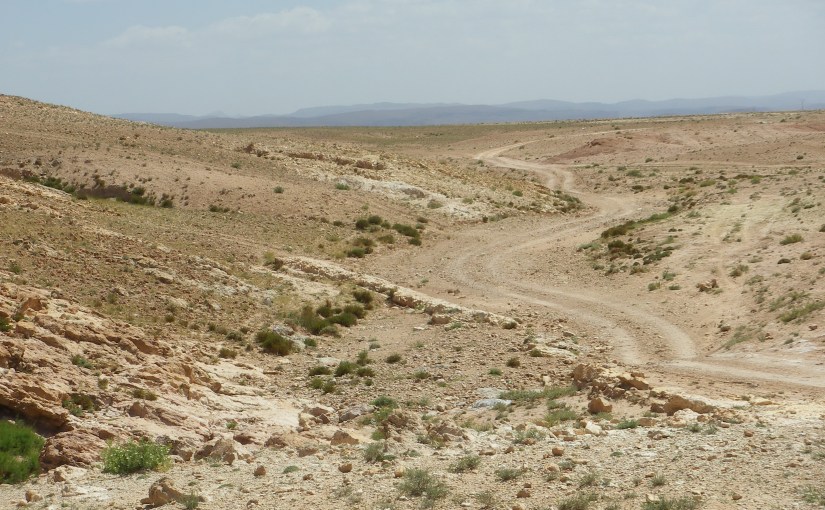
The Work Of The Wilderness
From a prison cell in Rome, the Apostle Paul wrote a letter to the believers in the city of Colossae, and shared with them a prayer that, at first glance, seems underwhelming. After praying that they would know God more and live lives worthy of him, he goes on to ask that they would be “…strengthened with all power according to his glorious might so that you may have great endurance and patience.”
Strength. I need it. I can get behind a request for power and glorious might. Yes! Give me that! And with the glorious power of God himself give me…
Great endurance and patience.
Really?
Is that all, Paul? Couldn’t we pray for a stunning victory over all obstacles and opposition, all trials and troubles? Isn’t God’s glorious might enough to ask for more than just patience?
Continue reading The Work Of The Wilderness sethlewis.ie