
I stood at the window with my coffee in hand, enjoying the unique stillness of a Saturday morning. The clouds in the eastern sky were blushing, in anticipation of the sun’s imminent arrival. Between me and them, a mist was rising, like the earth’s exhaled breath—growing, shifting, and dispersing, glowing in the golden morning glory. A breath. A vapour. This is what King Solomon called life itself, in the book of Ecclesiastes. Like your own breath in the crisp winter air—you can see it and feel the warmth of it, but the one thing you can never do is hold it.
Continue reading Life is a Vapour. Enjoy it.Tag: death
Assisted Suicide And The Meaning Of Life
Our representatives in Dublin are voting this evening on whether to approve recommendations for assisted suicide in Ireland. This is only an indicative vote, a first step towards changing our laws, but it is a step that will pave the way for official legislation to be brought forward in the future. The argument in favour of this change is usually framed in the language of compassion and choice—that those who are suffering greatly should be able to end their suffering—and their lives—on their own terms. There are, however, many significant concerns raised in the debate as well. For example, there is the unspoken (or perhaps spoken) pressure to die that allowing this option places on good-hearted people who hate to be a burden on others. Is that really a free choice? Or consider the obvious cost-cutting incentive that assisted suicide gives the health service to end lives rather than provide expensive palliative care. Does that really promote compassion? These concerns are reason enough to oppose assisted suicide, especially in light of the heartbreaking evidence from countries who have already started down this road. But I have another more fundamental objection. I know that the one great benefit and argument for assisted suicide is that it ends suffering. This is true enough. The trouble is that it ends suffering not by treating or managing it, but rather by ending the sufferer. In doing so, assisted suicide creates a new category for our culture—a category of human life that society agrees is simply not worth living.
Continue reading Assisted Suicide And The Meaning Of Life
The End
Yesterday my wife and I attended the funeral of a friend that we will miss dearly. We still hear the echo of his deep voice in our ears, singing to the God he loved and served so well for so long. We will carry the memory of his smile and kind words with us as a precious treasure for the rest of our lives.
It’s hard to say goodbye.
It’s hard, but we need to do it. We need to remember, and grieve. We need to look back with thankfulness and look forward with hope.
But who can dare to look forward at a funeral?
Who can see beyond the finality of death?
Hannah’s Funeral
My wife and I have never met our first child. We lost the baby during the pregnancy, in the early stages before we even knew for sure if it was a girl. But we both knew she was a girl. We named her Hannah Grace, and yesterday would have been her 16th birthday. Years ago I wrote about Hannah for an Irish magazine called 4you. I posted that article on the blog in 2018, and I’m reposting it today in honour of the daughter we look forward to meeting for the first time in Heaven.
It’s taking too long. That’s how I know my world is crumbling. The midwife can’t find what she’s looking for. She keeps trying, but every new effort is the ringing of steeple bells tolling a funeral. Not a formal, prepared, eulogised, dressed-in-black funeral. No, this is an impromptu affair, with no time to think, and no black shoes to look at as I stare at the floor. But I can’t just stare at the floor, people are talking to me. I have to concentrate to keep looking at them. I have to focus. It’s not their fault. They’re trying to help. I need to be polite and listen. What about my wife? She must be feeling the same as me. No, she must be feeling worse. After all, Hannah is still inside her. Hannah who we weren’t even sure was a girl (but we knew). Hannah who was a world of new life and dreams. Hannah who we have the little dress waiting for at home in a room right across the hall so we can hear her if she cries…
Continue reading Hannah’s Funeral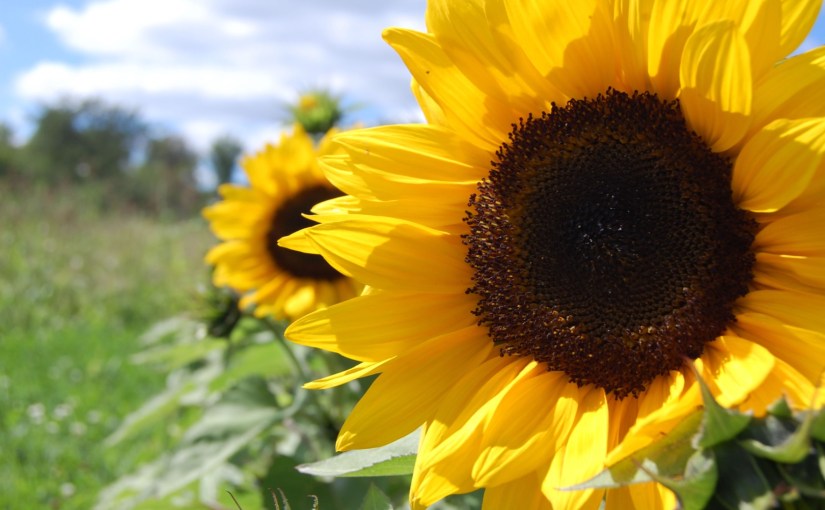
Seeds And Sunflowers
Growing up in Alabama, I loved snacking on sunflower seeds. I would crack the shells open and pull out a tiny little bit of deliciousness from each one. It’s hard to stop, once you start on them—especially if they’re salted. It’s also hard to imagine how those tiny tasty little seeds could ever become the massive plants that grow higher than my head and make flowers bigger than my face. When you think of it it’s kind of shocking, isn’t it?
Imagine showing someone who had never seen a sunflower that tiny seed in its tiny shell and trying to describe to them what would happen if they planted it in the ground. Imagine being the person that had never seen a sunflower, and trying to get your head around the idea that the little grey nothing in your hand could transform so completely into something so impressive and colourful. If all you knew was the seed, how could you ever guess the flower?
Continue reading Seeds And Sunflowers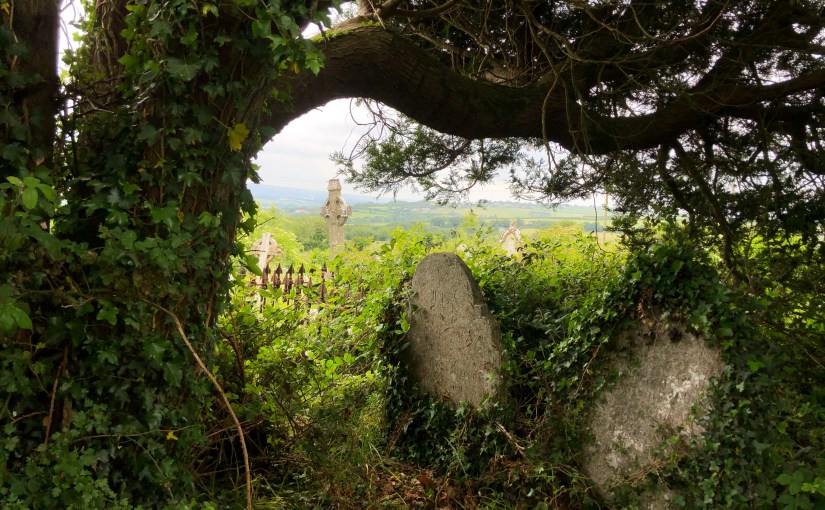
The Third Date Never Comes
I hope you had a good celebration this Easter. There really is nothing better in the world to celebrate—the resurrection of Jesus changes everything. Here’s a short poem I wrote as I thought about what Easter means for my future:
Continue reading The Third Date Never Comes
Lift Up Your Head
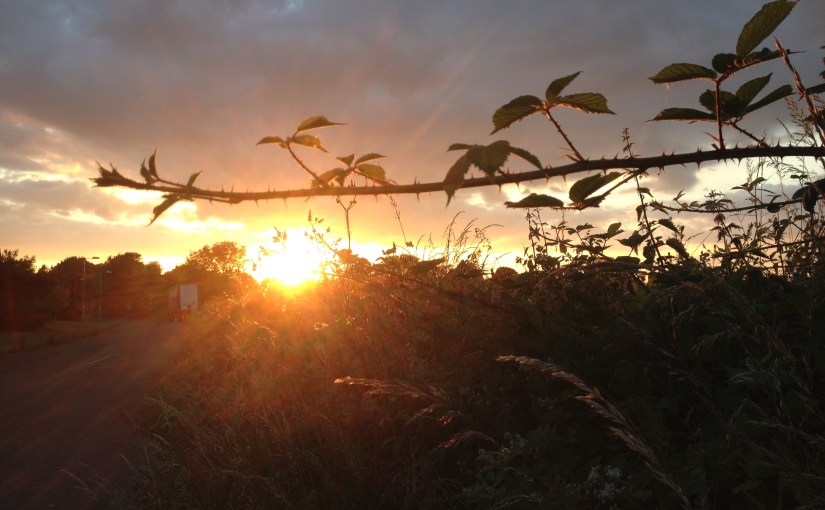
Halloween is a dark holiday, but I don’t find it very scary. Costumes and plastic skeletons don’t intimidate me. It’s all pretend, and for most people, the main point is sugar. I find the news headlines in my Twitter feed a lot more terrifying. Some of the themes are the same—darkness, death, and evil running free. I guess the decorative ghosts and tombstones and skeletons do contain an element of realism: there is real darkness in this world, and real death. At our point in history, there’s no question that the real skeletons on this planet outnumber the living humans by a long shot. That’s a sobering thought. And there are plenty of other fears for those of us who aren’t skeletons yet—from disease and disaster to dystopian decisions and disturbing trends and growing disorder and disunity, you don’t have to look far to get a fright these days.
In Luke 21, Jesus warned his disciples about difficult days that were coming. He said, “People will faint from terror, apprehensive of what is coming on the world.” Does that sound familiar? But he tells his disciples: “When these things begin to take place, stand up and lift up your heads, because your redemption is drawing near.”
Continue reading Lift Up Your Head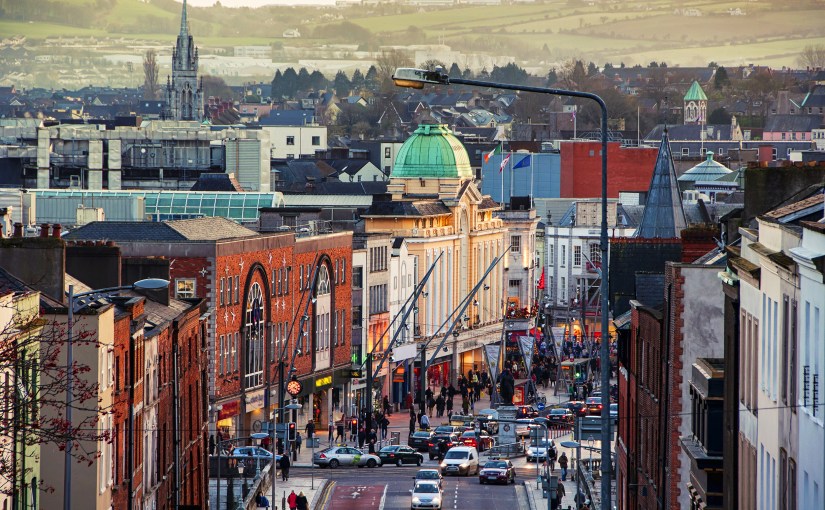
The Deceptive Permanence Of Cities
Cities have long lives. Many of the buildings stand basically unchanged as multiple generations of humans pass through their doors. The streets bear the traffic of life down the same old paths, through days and nights and decades, like ever-flowing rivers. It all looks the same, feels the same, year after year. Even the construction is familiar, the same cranes popping up in different places, the same traffic cones and men at work signs slowing down different roads in turn. Yes, some things do change, but the newness wears off quickly as the changes blend into the familiarity around them.
Continue reading The Deceptive Permanence Of Cities
The Day I Should Have Kept My Mouth Shut
I was in the passenger seat, and my friend was behind the wheel. At least, I wanted him to be my friend, if I could manage it. He was new on my dorm at university, and I was keen to be on good terms if at all possible. The trip was long enough for good conversations, but they weren’t happening the way I expected. My best questions were being answered with a few short words, and my most interesting conversational topics were slipping away like so many wet bars of soap. The trip had hardly begun and I was already struggling for something to say. Silence grew in the space between words. Suddenly, an inspiration: I saw a funeral home.
Continue reading The Day I Should Have Kept My Mouth Shut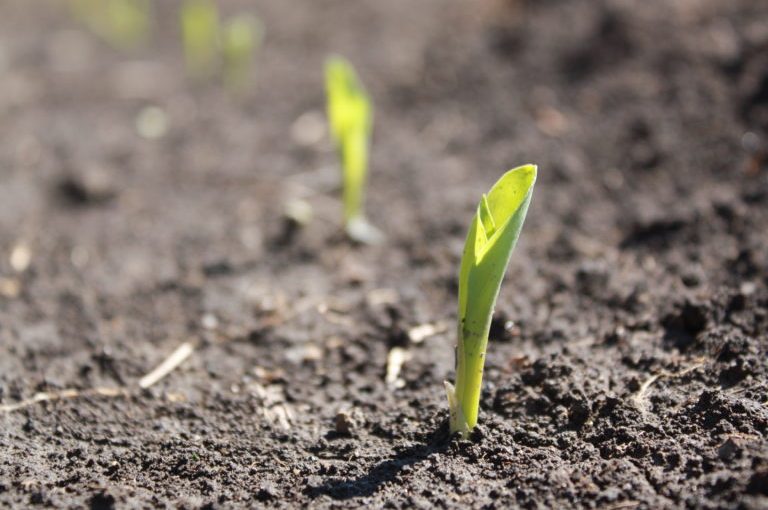
Unless
Christianity is full of surprising reversals. Just think of Good Friday, where the King of Heaven abolishes the power of death—by dying in our place! He said, “unless a grain of wheat falls into the ground and dies, it remains alone. But if it dies, it bears much fruit.” And that’s exactly what he did—first the dying, then the bearing much fruit. Now, he calls us to follow him in the same way: “For whoever would save his life will lose it, but whoever loses his life for my sake will find it.” As we approach Easter, I’ve been thinking a lot about this–what does it look like for me, right now? How is my own life reshaped and redirected by these reversals? These are the things I was thinking of when I wrote this poem:
Continue reading Unless sethlewis.ie