As the youngest of four children, I was always the last to experience the privileges that came with growing up. I remember one year waiting impatiently for my birthday—the day I would finally be allowed to have my very own pocketknife. I wanted it right away. I wanted to carve sticks and notch arrows like my older brother could. But my parents were very strict: I had to be old enough, and I also had to be trained through Scouts in how to use knives properly and safely. I knew that my pocketknife privileges would be revoked the first time I failed to abide by the safety rules I learned. I didn’t fully understand why my parents were so serious about these regulations until my neighbour cut his thumb with a pocketknife badly enough to need stitches. After that, I saw the wisdom of my parent’s rules more clearly. Their strictness was protecting me and freeing me to enjoy the benefits of my pocketknife without being hurt by it. I saw that their commands were actually an expression of their love for me.
Continue reading A Wide PlaceTag: commands
More Than You Can Handle
John the Baptist was dead. Beheaded. It was unjust, brutal, and senseless. On hearing the news, Jesus left what he was doing and went with his disciples to a solitary place. He must have wanted to mourn, and pray, away from the crowds. But when he arrived, there was no solitude: somehow, word had spread about where he was going, and now a large crowd was waiting for him. Matthew records that Jesus didn’t send them away or throw himself a pity party—“he had compassion on them and healed their sick.” They were suffering, too.
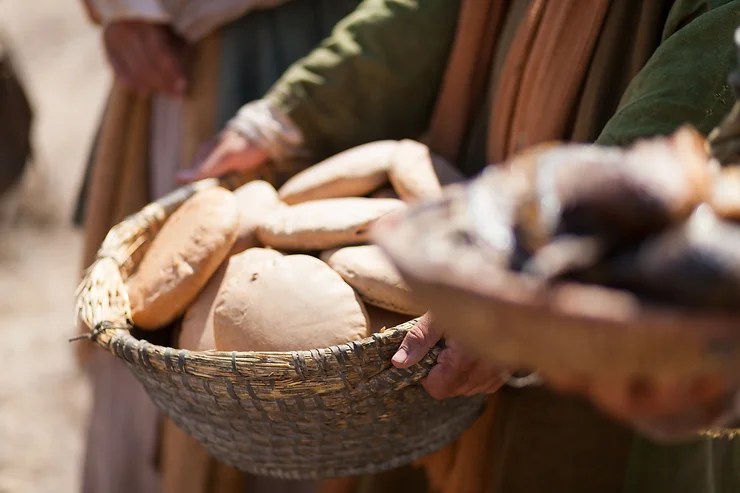
As the day wore on, Jesus’ disciples began to be concerned: what would these people eat for dinner, out there in the middle of nowhere? No one had planned logistics for a gathering like this. Taking stock of the situation, they made a practical suggestion that Jesus send the crowd away so that they could get to the villages and buy food for themselves. Jesus replied: “They do not need to go away. You give them something to eat.”
I’ve heard people say that “God will never give you more than you can handle.” I don’t think that’s true. Look at the job he gave his disciples: “you give them something to eat.”
How?
Continue reading More Than You Can Handle
Wade In The Water
In 1998, Eva Cassidy recorded an old spiritual called “Wade in the water”. I was listening to her sing it in my car just recently:
Wade in the water
Wade in the water, children
Wade in the water
God’s gonna trouble the water
The lyrics are simple, but this water runs deep. As you’d expect from a spiritual, the reference is biblical. The rest of the song speaks of the children of Israel on the banks of the Jordan river, ready to cross into the promised land. In Joshua chapter 3, God tells the priests of Israel to carry the ark of the covenant, the symbol of his relationship with his people and presence with them, to the edge of the flooded river and stand in the water. They obeyed, and as soon as their feet got wet, God began to stop the flow of a mighty river and clear a path for his people to walk across on dry land.
Continue reading Wade In The Water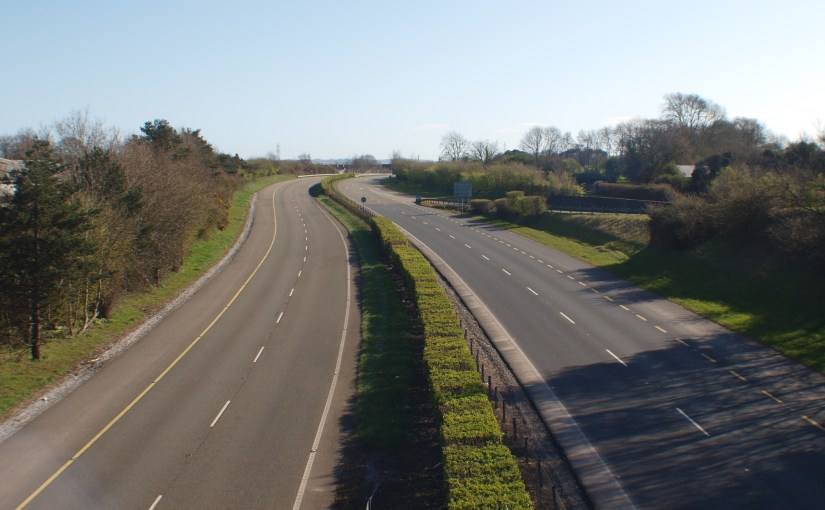
The Free Way
I’ve driven on motorways and interstates and highways, but my favourite name for big roads is freeways. It captures that windows-down-radio-up feeling better than the other words—the speed and freedom of four wheels and a smooth road combined. Freedom to travel. Freedom to move fast. Freedom to stop whenever I want to. It feels good to be free.
Of course, this freeway freedom does come with a few rules. A speed limit, for example, and lines on the road that mark my lane, and some lanes that go one way and some that go the other. Simple enough, but very important—without those lines and rules, the freeway would be a death trap. Imagine driving on a freeway with no lanes, no directions, no rules. In one way it would be even more free, in the sense that you could use the road however you wanted to. But with everyone using the road as they saw fit for themselves, no one would be able to use it well, and a lot of people would end up seriously injured. That’s why we accept the rules of the freeway. We know that these boundaries actually give us more freedom to move quickly and safely to our destinations.
Continue reading The Free Way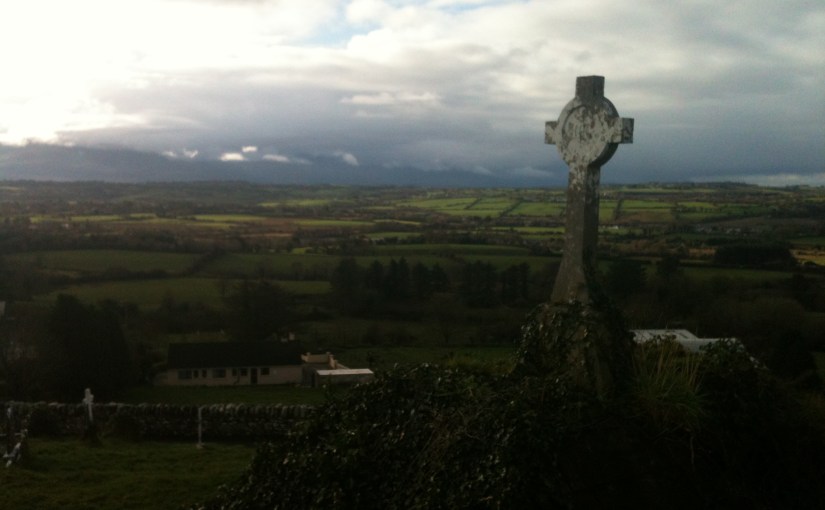
If God Can Be Trusted With Death, He Can Be Trusted With Life
The longer I live on this planet, the more I’ve been forced to learn the art of dealing with death. There were no classes on this in school, but I have a teacher who refuses to be ignored: Experience. Attendance is mandatory. One after another, with increasing regularity, the funerals come. During the service, those of us who remain remind each other of God’s promises, eternal life and resurrection, Heaven and perfect rest and happiness for all eternity. The crowd pauses to make time for prayers and Scripture while death is in the room, before life moves on. But life does move on, and then many of the same people who spoke of the promises go back to ignoring death. Along with him, many also ignore the God who made the promises.
Continue reading If God Can Be Trusted With Death, He Can Be Trusted With Life sethlewis.ie