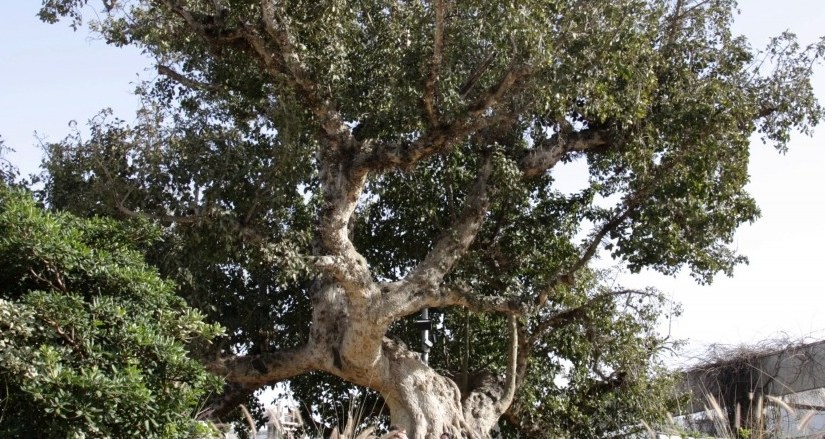
In Luke 19, a short tax-collector named Zacchaeus climbed a sycamore tree to see Jesus as he passed through the crowd. He did see Jesus. Even better, Jesus saw him. Then Jesus stopped and spoke to him, and went to his home for dinner, and Zacchaeus was never the same from that day on. I’ve heard this story since I was a child, but I’d never thought too much about the sycamore tree itself until my friend Brian directed my attention to it. Did you know that sycamore trees in Israel can live for hundreds of years? And the one Zacchaeus climbed must have been fully mature if it was big enough to hold a grown man (a short man, granted) and allow him to see above other people’s heads. To be there for that particular moment of need, that tree must have been growing for decades, at least, and possibly longer.
Continue reading A Sycamore Tree, A Car Crash, And God’s Provision
The Maker (a poem)
A long time ago the prophet Jeremiah said, “Ah, Sovereign Lord, you have made the heavens and the earth by your great power and outstretched arm. Nothing is too hard for you.” I’m not a prophet, but today I have a poem for you on the same theme:
The Maker
He stretched out the heavens
And lit up the stars
He flung out the Milky Way’s
Spiralling arms
And will we imagine
His own arms are weak?
Or fear there’s an enemy
He can’t defeat?
The Maker of rocks is
More firm and secure
Than Everest’s foundations
More perfectly pure
Than water in Eden
More faithful and sure
Than sunrise and twilight
And he will endure
Past all of the ancient
Immovable hills
The hills he abundantly
Graciously fills
With life—in all of its
Wild variety
Antlers and feathers
And berries and trees—
And will we belittle
The Maker of these?
Or think the inventor
Of eyes doesn’t see?
Or somehow,
Ridiculously,
Disbelieve
That what he has promised
Is what he’ll achieve
What Makes Our Town (Or Any Place) Great
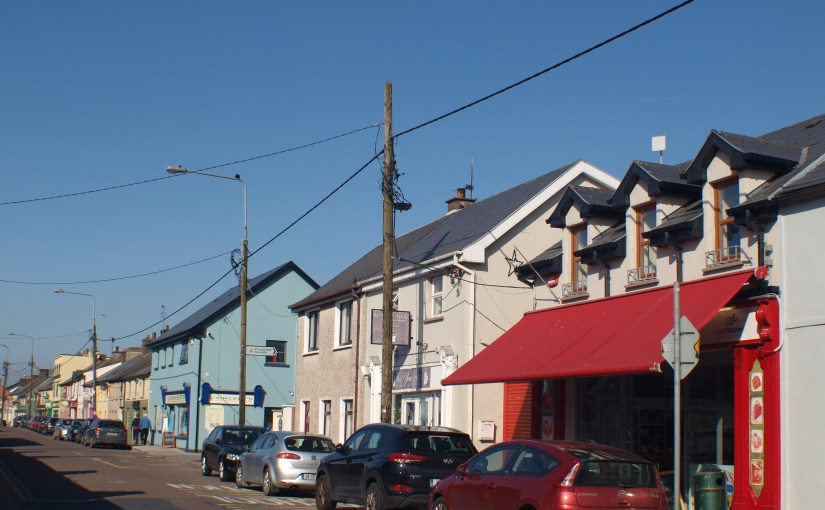
What makes a town or a city a great place to live? There are many factors, of course, from cost of living to amenities and natural beauty and so on, but there is one factor that surpasses them all. This was pointed out to me by a man who has been dead for some time, G.K. Chesterton. He wrote about what makes cities great in his often surprising and famously thought-provoking testimonial work, Orthodoxy. Using Pimlico as an example—a village in central London which must have been dire in Chesterton’s time—he says:
“Let us suppose we are confronted with a desperate thing—say Pimlico…. It is not enough for a man to disapprove of Pimlico: in that case he will merely cut his throat or move to Chelsea. Nor, certainly, is it enough for a man to approve of Pimlico: for then it will remain Pimlico, which would be awful. The only way out of it seems to be for somebody to love Pimlico: to love it with a transcendental tie and without any earthly reason. If there arose a man who loved Pimlico, then Pimlico would rise into ivory towers and golden pinnacles; Pimlico would attire herself as a woman does when she is loved… If men loved Pimlico as mothers love children, arbitrarily, because it is theirs, Pimlico in a year or two might be fairer than Florence. Some readers will say that this is a mere fantasy. I answer that this is the actual history of mankind. This, as a fact, is how cities did grow great… Men did not love Rome because she was great. She was great because they had loved her.”
Continue reading What Makes Our Town (Or Any Place) Great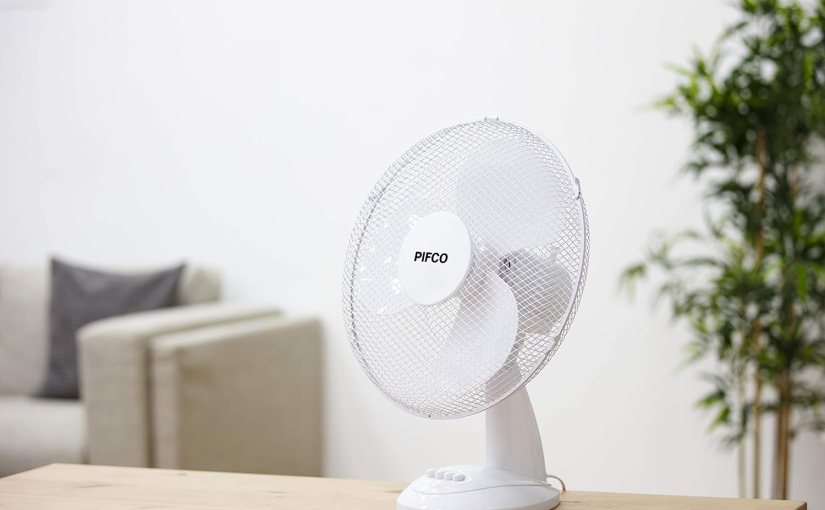
A Fan
There is a simple machine in our house that gives me more happiness than is really logical or reasonable. Most of the year, it lives in the attic, waiting for the summer when the house warms up and we open the windows to let the breeze in (this is the only air conditioning system we need in Ireland). To help encourage that summer breeze inside, we take down the fan from storage and turn it on. I enjoy turning on the fan more than I can sensibly explain to you. I guess you could say I’m a fan of it. The sound of the motor and spinning blades resonates with something deep inside of me, which is strange, I know, but the breeze dusts off long-past memories of summer days and the places I used to spend them. In that mental swirl there arises an old and comfortable happiness, intangible but very real, and I can’t help but smile.
Continue reading A Fan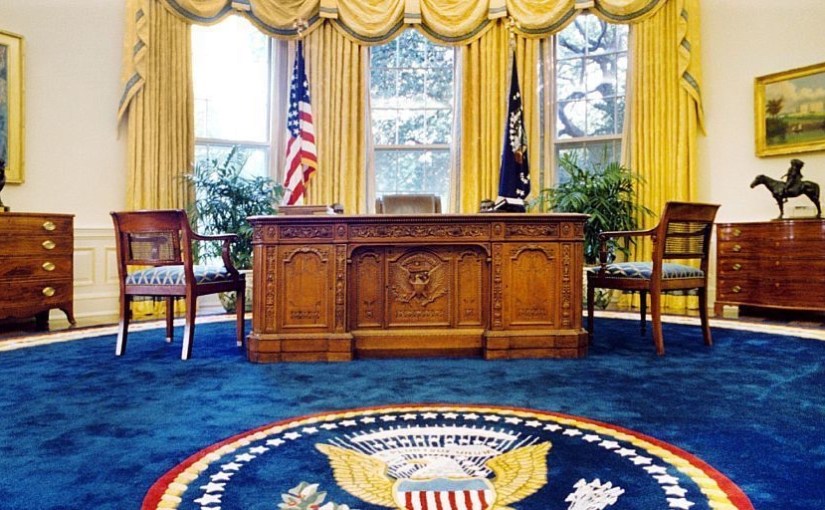
Independent Power
Election seasons are always a rollercoaster, but being in America this summer during this particular presidential cycle has set a new record in my personal experience of political drama. The stakes are high, and the surprise plot-twists have been coming thick and fast. The news stories and ensuing commentary are non-stop, a constant reminder of how much raw global power is wielded by the American president. Whoever wins this election will command the world’s most powerful economy, military, and government. Their power will be massive, by virtue of the structures they oversee. It is a power granted by the people of America through democratic mandate, and executed through millions upon millions of civil-service employees, soldiers, and law-enforcement officers. In other words, it is a power that is dependent on others, contingent on the collective power of the people supporting them. This is how power works. The most powerful among us are those who are able to channel and control the collected power of others most effectively. On our own, we are small. We are created, finite beings, with limited strength. No matter how strong an individual may be, the collective force of millions working together will always be stronger. With one notable exception.
Continue reading Independent Power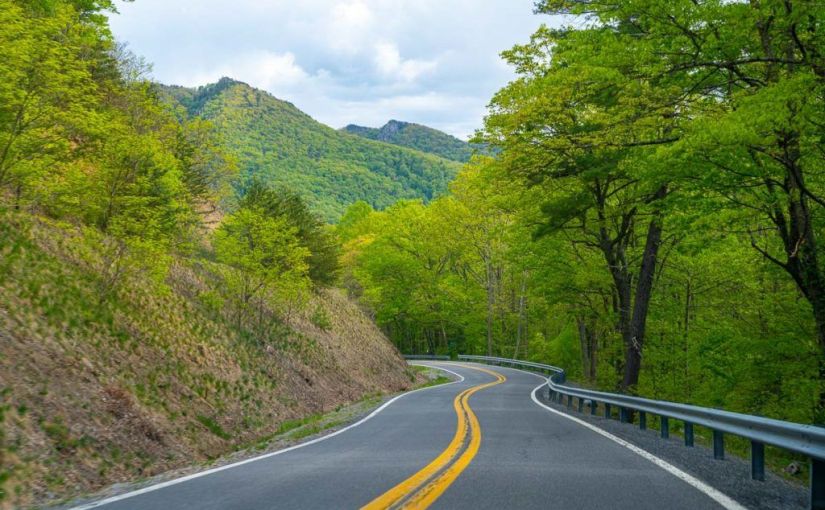
A Thousand Miles, And A Poem
This summer I’ve driven well over a thousand miles across the southern states of America. I’m thankful for good air-conditioning, good music, good company (my family), and Chick-Fil-A. I like driving, which certainly helps, even if I have to think hard to get in the car on the side that has the steering wheel, after living in Ireland so long. We’ve been down highways through forests that seem to never end and we’ve been down country roads through corn and cotton and tobacco fields that grow outside of small towns where people sell fresh peaches and watermelons from roadside stands. Every few minutes there’s another white steeple on another red-brick church. One of them was just letting out from some kind of event, and the people were leaving with take-away boxes of food which was probably fried chicken and green beans and devilled eggs or some excellent kind of pie. I would have liked to pull in but it would have been strange for us to arrive at the end as total strangers. I don’t even know what town we were in, because I don’t have to keep track of that kind of information anymore thanks to the sat-nav. I just follow the blue line, keep an eye on how much fuel I have, and enjoy the view. Eventually, we get where we’re going.
Continue reading A Thousand Miles, And A Poem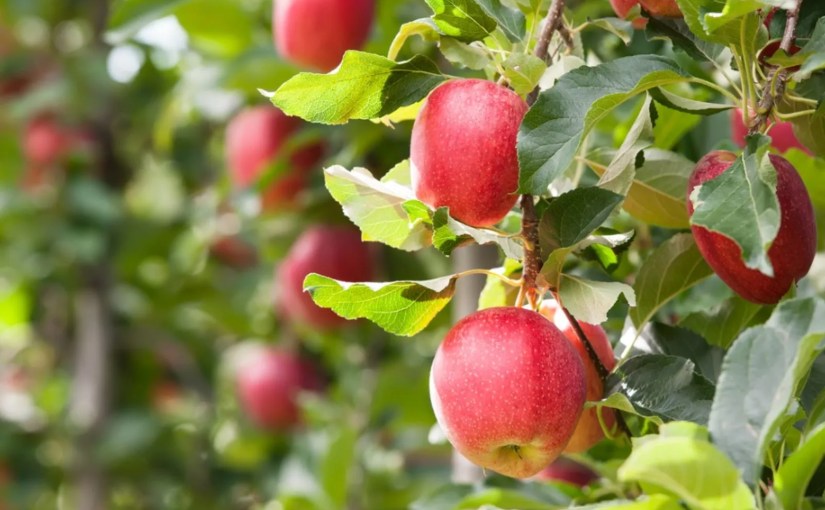
The Crooked Apple Tree
Beside a country road in Ireland there are two tall pillars marking the entrance to my friend’s home, down a lane that used to lead to a massive manor house. That mansion is long gone, but the stately pillars remain as crumbling reminders of its past glories. The gravel lane between them now winds its way to the old farm buildings on the estate, which were nothing but ruined walls until my friend rebuilt them into a home. Outside, the chickens wander freely with the dogs among the garden beds and fruit trees.
Continue reading The Crooked Apple Tree
A Personal Update
It’s been almost a year since I shared a personal update on the blog, and life has been moving along. It’s never boring!
Our children recently turned seventeen, fifteen, and twelve, and Jessica and I celebrated our twentieth wedding anniversary this year as well. I feel like our family has moved decisively into a new stage of life—a middle stage, I suppose—and I have to say that I honestly love it. I have loved the other stages, too, each in their own way, each with their own challenges and joys. I think the stage we’re in now is my favourite so far, though. It has its own unique challenges, but I do love seeing our children grow and mature, and being able to relate to them on a grown-up level. I also love the stability and depth of a romance with two decades of shared life experience under it. We still disagree and argue, of course, but we’re a little better at it, I think, and quicker to forgive.
Continue reading A Personal Update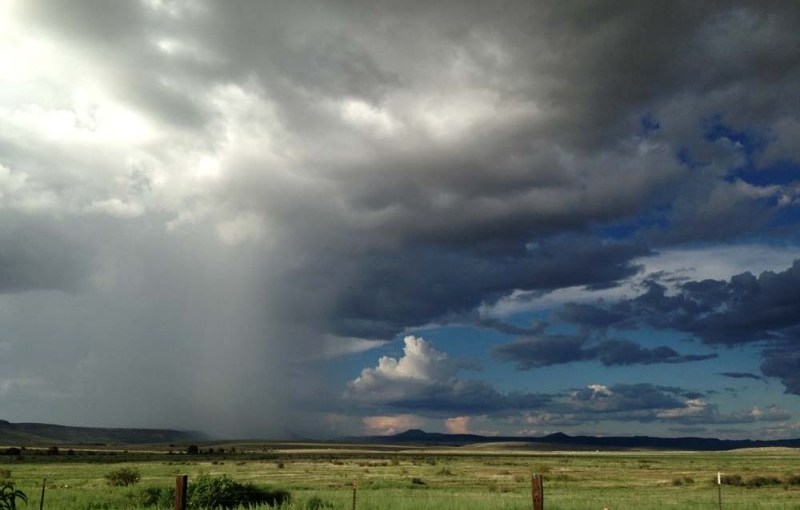
Outrunning The Rain
Living in Ireland, I’ve gotten used to the rain taking its own sweet time. It softly falls for days or weeks on end, completely oblivious to how egregiously it has overstayed its welcome. In Alabama, where I grew up, things are different. The rain there waits and builds up and waits some more and then suddenly bursts out of the clouds in a mad rush to pelt the ground all at once with all the drama and thunder and sky-splitting electricity it can muster (and sometimes tornadoes).
Continue reading Outrunning The Rain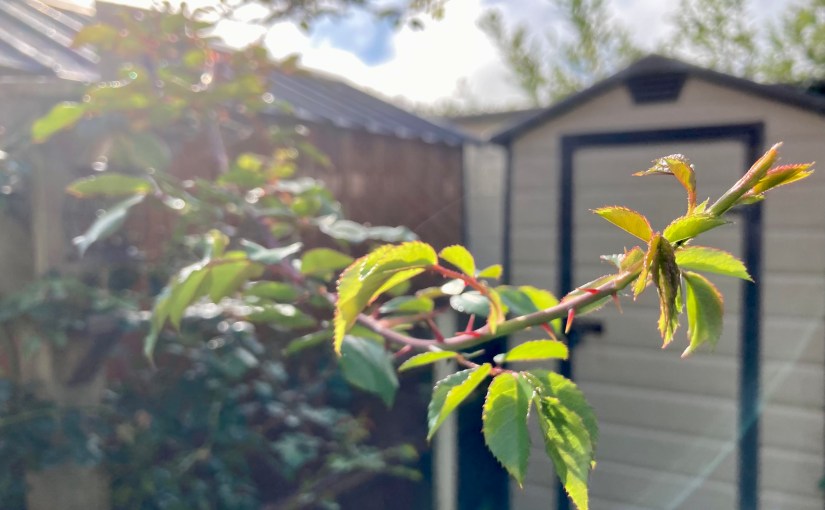
Pruning (a poem)
Everything grows fast in the garden this time of year. The rose stems stretch themselves upward, then droop with the weight of their own blooms. The grape vine climbs the arbour, blindly grasping anything it can hold on to. The weeds come back, and come back again, from somewhere, everywhere, while the vines on the back wall grow in every direction at once. All of this growth is a beautiful, abundant gift, yet I know that if I leave it untended for too long, my garden will eventually become something else entirely. The strawberries will send runners into the grass, the grass will colonise the herb bed, the weeds will colonise the grass, and the roses will block the path with thorns. The longer I leave it alone, the harder I’ll have to work to reclaim it. And here, in the wild tendencies of my garden, I see a reflection of myself. That’s what this poem is about:
Continue reading Pruning (a poem) sethlewis.ie