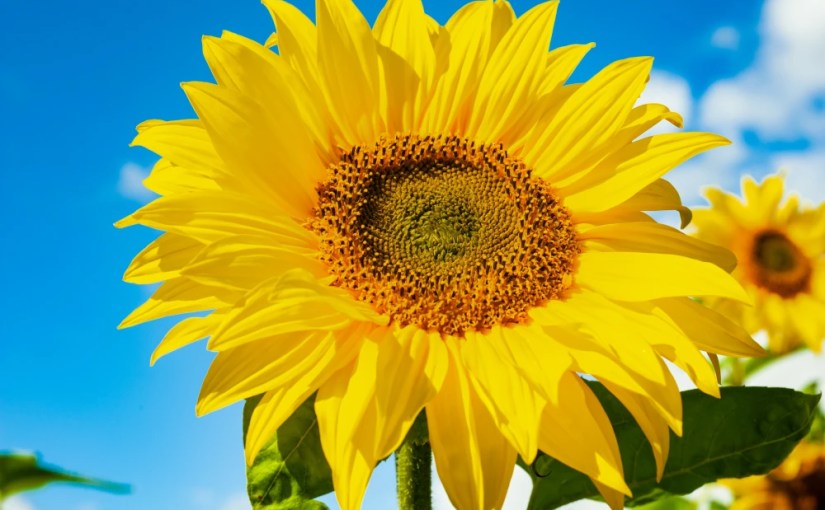
Easter Sunday was a few days ago now, but that doesn’t mean it’s over. The effects of what we celebrated last Sunday continue to grow, slowly, like the buds of spring continue to open all around us and the fresh green continues to deepen into maturity and the apple blossoms transform themselves, somehow, into delicious fruit. Jesus said, “unless a grain of wheat falls into the earth and dies, it remains alone; but if it dies, it bears much fruit” (John 12:24). Then he died—for us. Now, 2,000 years later, his resurrection is still bearing fruit—transforming the cold, dead hearts of sinful, proud, selfish people who trust in his forgiveness and salvation into living, loving, new creations—a transformation that is every bit as glorious and surprising as the growth of a tiny, dull little sunflower seed into a towering, thriving wonder of nature. This is how God works. He does nothing by half-measures. He doesn’t ease off once he’s done enough to get by. He goes on, and on, and on—working wonders far beyond anything we could ask or imagine, and glories no mind has conceived (1 Corinthians 2:9). That’s why, in 1 Corinthians 15, Paul uses seeds as an illustration of the resurrection of God’s people:
Continue reading Easter Isn’t OverCategory: Nature
Transplanted
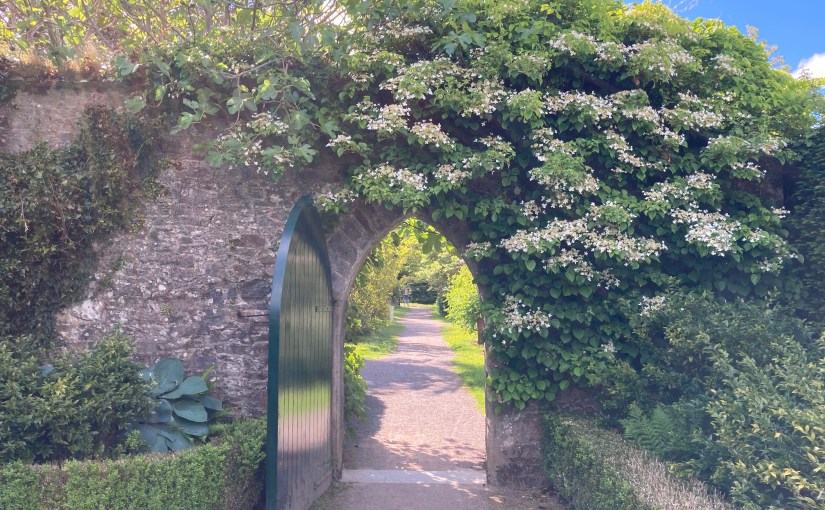
There’s an old Regency manor house near us that has been preserved as a heritage site, beautifully surrounded by manicured gardens that are faithfully tended by volunteers and open to the public. The gardens were planted and arranged over successive generations in the old English style—which means that the plants and trees were imported from all across the globe. This worked particularly well on the Fota estate because of its sheltered conditions. Even its name, Fota, is derived from the Irish “Fód te”, meaning “warm soil”. The arboretum is particularly impressive, boasting some of the finest specimens of pine, cypress and sequoia in Europe. There are also acers and eucalyptus, tasmanian tree ferns, acacia and magnolias that burst open with enormous flowers before the leaves even begin to appear. A walk through Fota gardens is a walk around the world, with the sights, smells, and colours of the Himalayas, Japan, Chile, China, New Zealand, the Pacific Northwest, and beyond.
Sometimes I’ve wondered how trees from California and Australia can grow so well in Ireland. I suppose they don’t have much of a choice in the matter, but they’ve certainly made the best of it. Their roots are deep in the fód te, and I have to strain my eyes to see some of their towering tops. They have not simply survived in a foreign land. They have made it their home, and thrived. When I wander among them, I am encouraged.
Continue reading Transplanted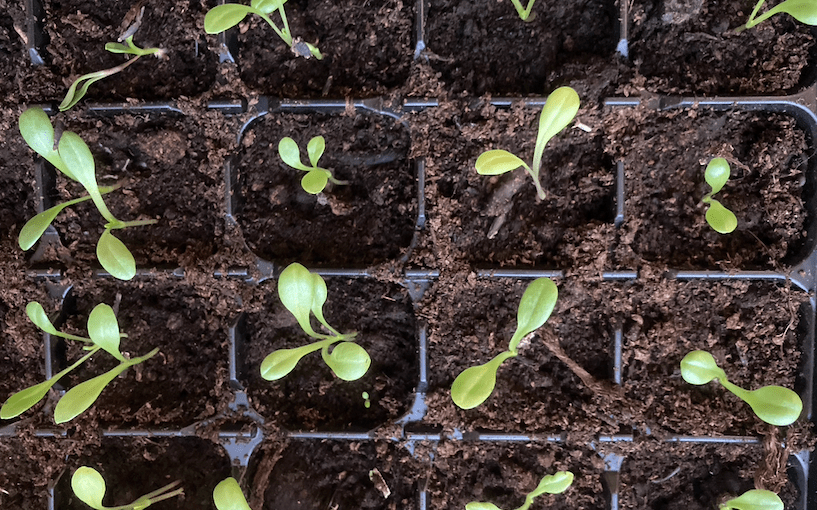
Seedlings Need The Weather (repost)
It’s the time of year when fresh green leaves are unfolding and Jessica is preparing trays of seedlings for our garden. A few years ago I wrote about what I learned from our seedlings, and I’ve been thinking a lot about those lessons recently, so I decided to repost this post for you today. If you look closely, you’ll see that God is constantly communicating many valuable truths to us through the world he made for us. That’s what my forthcoming book is about— “The Language of Rivers and Stars”.
There’s a small square of earth behind our house that belongs to us. Which is strange, because it was here a long time before we were and will be here a long time after we’re gone. But there’s a deed in an office somewhere that has our names on it, so the ground is ours. And with that ground comes the responsibility to care for it—a responsibility that didn’t come from an office, but from Heaven.
We do our best. And when I say “we”, I really mean my wife, Jessica. She’s the one who does most of the caring and tending and planting. I made the raised beds around the edges of the garden, but she’s the one that filled them with roses and blueberries, mint and strawberries, pineapple sage and climbing jasmine and passion flowers. This year, she brought home packets of seeds for dahlias, zinnias, and cornflowers as well, because she wants to have flowers to cut for our dinner table throughout the spring, summer, and autumn. She sowed the seeds in trays of compost and found the perfect spot inside our glass door where our seedlings could have ideal conditions: plenty of sun (by Irish standards), warmth inside the house, protection from cold and storms and slugs, and regular watering. We babied our little baby plants, and we were delighted to see them grow, and grow fast. In fact they grew so fast that their stems became long and thin and too weak to hold up their own new leaves. One by one me they began to fall over. What went wrong? How could our seedlings be so weak when we protected them from every difficulty and obstacle? What more could we do for them?
Continue reading Seedlings Need The Weather (repost)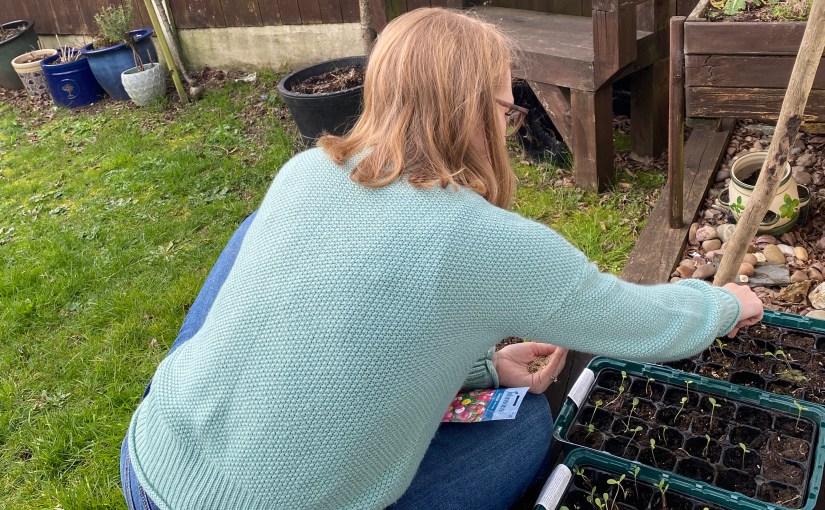
The Gardener
When we moved in to our house, the garden was undeveloped. It was a small patch of grass, with a shed. And those things are still there, but they’ve been joined now by a row of roses at the back, with jasmine and passion flowers growing against the wall. Blueberry bushes bloom on one side, with strawberries and grapes beside them. On the other side is an apple tree, a plum tree, and a collection of pots growing a collection of colourful flowers that Jessica cuts and gives away or brings inside for us to enjoy. This year, we’re expanding our window boxes to hold even more flowers. As I write today there are rows of seedlings on the back stoop, reaching up and acclimatising, being prepared for planting—because none of this growth happens overnight. We’ve lived here seven years now, and the progress has been slow. It is measured in months and seasons and years, not hours and days. It was my wife, Jessica, who saw what our undeveloped little plot could become and patiently worked over the years to bring that vision to life. As I go outside to look at the buds forming and opening this spring, I see the fruit of her careful attention and I rise up and bless her for bringing such abundance and beauty to our home.
Continue reading The Gardener
A City Whose Builder And Architect Is God
Have you ever noticed that illustrations of heaven tend to lean heavily on Greek architecture? The pillars and spires might be brighter, and the streets paved with gold, but the forms and styles still look familiar. It makes sense—the ancient Greek temples and forums were gorgeous, a true high point of human ingenuity and creativity. But these styles are human conceptions, whereas Hebrews 11:10 tells us that heaven is a city “whose architect and builder is God.”
Have you ever stopped to consider what it looks like when God himself designs and builds a city?
Continue reading A City Whose Builder And Architect Is God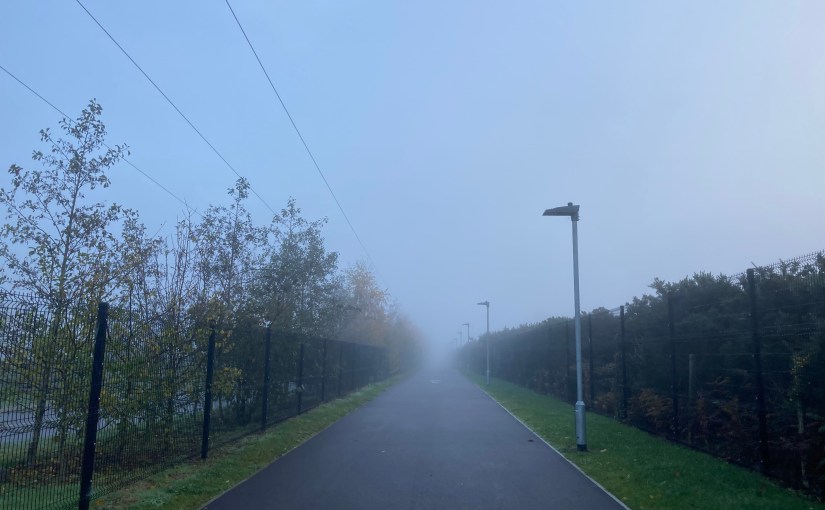
Winter Walk (a poem)
I put my hands inside my sleeves
And stuff them in my pockets
My collar up against the wind
Is not enough to block it
But as my nose and ears complain
Of slowly freezing
In my brain
My thoughts are getting warmer
And more active with each step
This wind has fanned the flame—
Yes even frozen wind—and swept
My thoughts into a blaze
And I’m aware that if I kept
My body locked
Behind the glaze
In perfect comfort
All my days
That there my mind
Would rest in ease—
And in that warmth
Would slowly
Freeze
Doodles On A Masterpiece
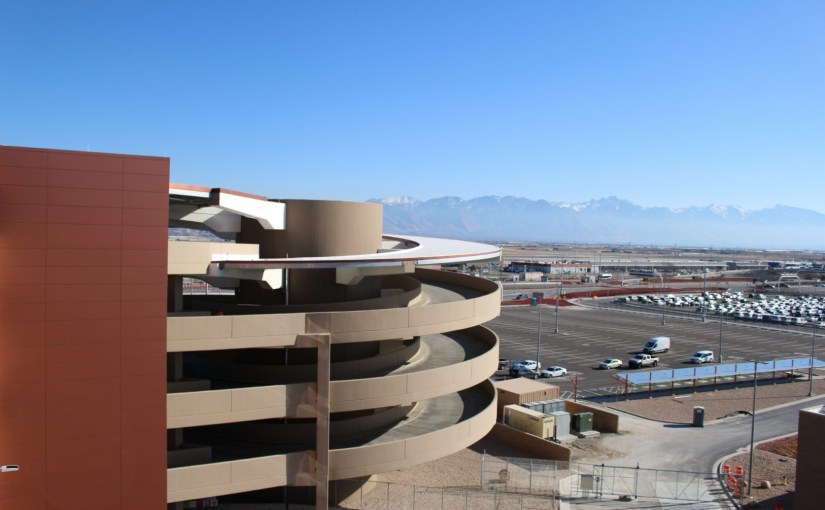
As I pulled the car into a spot at the edge of the parking garage I saw the sky shine bright blue between the rough block wall and the concrete deck above me. Further down the wall on the right I noticed a tree branch leaning in—green leaves detailed against the grey expanse. Moments before I had been driving under the open sky with living things growing all around, the hills in front and the sea behind me. Now, I was enclosed in a concrete case of re-formed rock, where every earthly material was repurposed beyond recognition. Those materials must have come from nature originally—they had to—but the ways we work with nature are often a stark contrast to the ways nature itself works.
Continue reading Doodles On A Masterpiece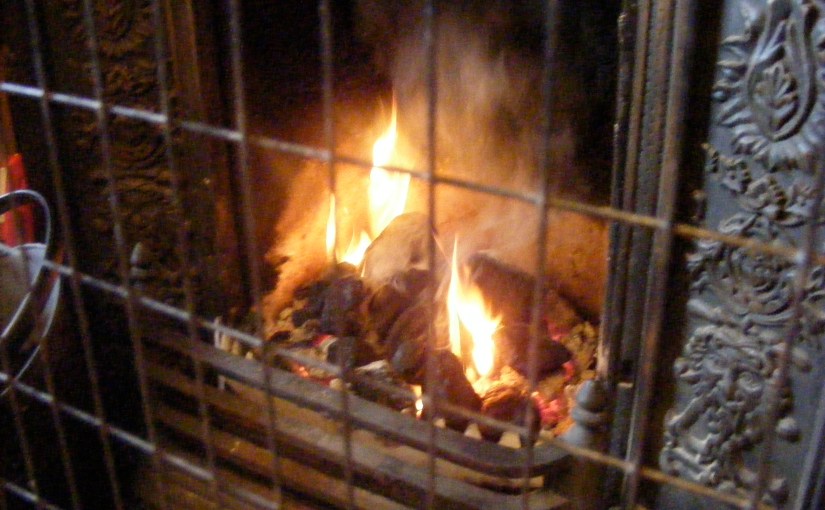
An Elegy For Our Fireplace
When my father built a home for our family in the hills of Alabama he put a large wood stove in the very centre. A good fire in that stove could heat the entire house, upstairs and down, for most of the night. I grew up splitting logs and carrying them in, building fires and learning to finesse small sparks into roaring warmth. They say firewood warms you twice, and it’s true—first when you cut it, and again when you burn it. The sound of our fire sucking air through the stove vents like breath, the crackling wood, the reassuring smoke from the chimney as I headed in from the winter cold—all are essential pieces of my childhood, baked into my soul by the power of the flames.
Continue reading An Elegy For Our Fireplace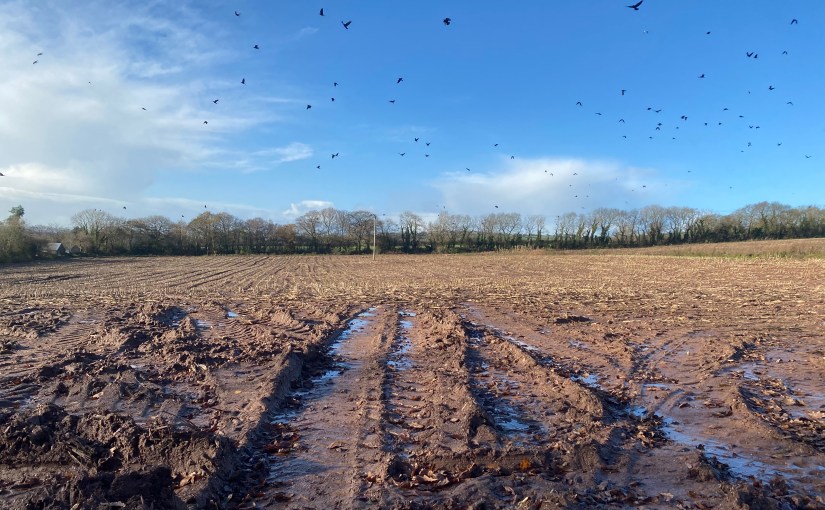
Fallow (a poem)
Today’s poem is inspired by some fields that I walk past regularly, which are lying fallow this time of year. I’ve felt that way, too.
Fallow
The harvester’s tyres
Left tracks on the ground
In the cold empty earth
Broken stalks all I found
To remember the days
When I used to walk by
When the soil was full
When the harvest was high
As I look at it now
It all seems so forlorn
So naked and useless
I’m tempted to mourn
Until I remember
The promise of spring
It’s not dead—it’s waiting
To rise up again
And I’ve felt the plough blades
On my back as well
And I’ve been left waiting
When everything fell
And I’ve seen what God
In his wisdom can grow
Out of cold empty hearts
With the seed that he sows
A Personal Update (With A Book Update, Too)
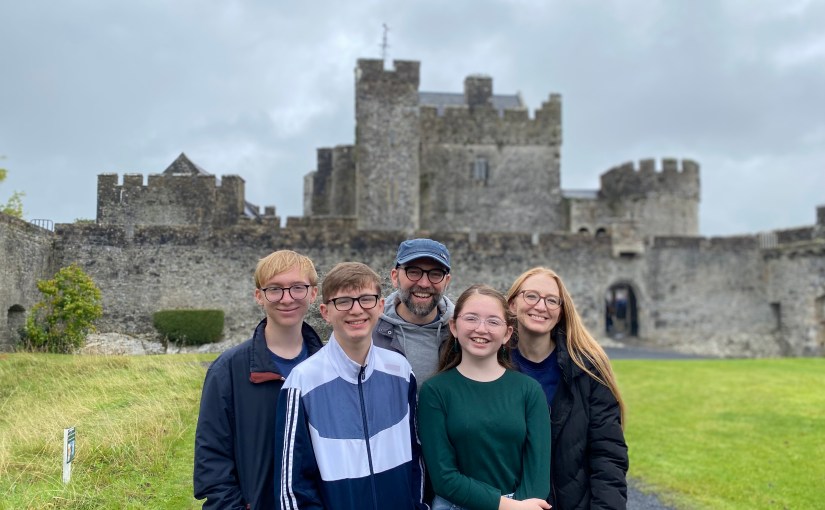
I woke up the other day thinking about the list of normal things I was going to do that day, which is not unusual. But it struck me that I’ve been waking up like that for years and years, and the list of normal things I’ve thought about has changed dramatically. For example, recently I’ve been taking our oldest child out to practice driving. This is normal now, but it wasn’t a year ago, and it’s a sign that our family is entering another new and different kind of normal. Next year our youngest will join her brothers in secondary school and our normal will change again.
Continue reading A Personal Update (With A Book Update, Too) sethlewis.ie