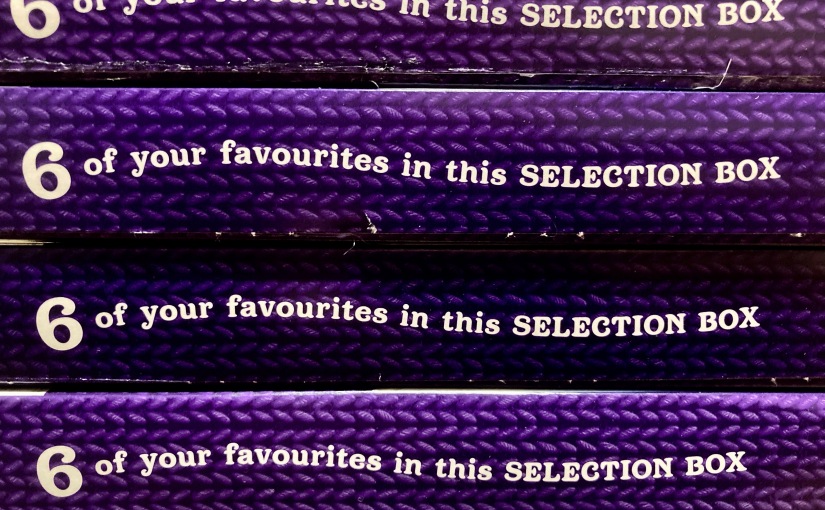
One of the standard features of Christmas in Ireland is the chocolate selection box. It’s a great tradition—who wouldn’t like a box filled with a variety of different chocolates to enjoy over the holidays? I can’t give you chocolate today, but I’ve made it a tradition to collect and share a variety of Christmas treats every December from around the internet. Enjoy!
Continue reading A Christmas Selection Box 2024Category: Culture
Wanting What I Already Have
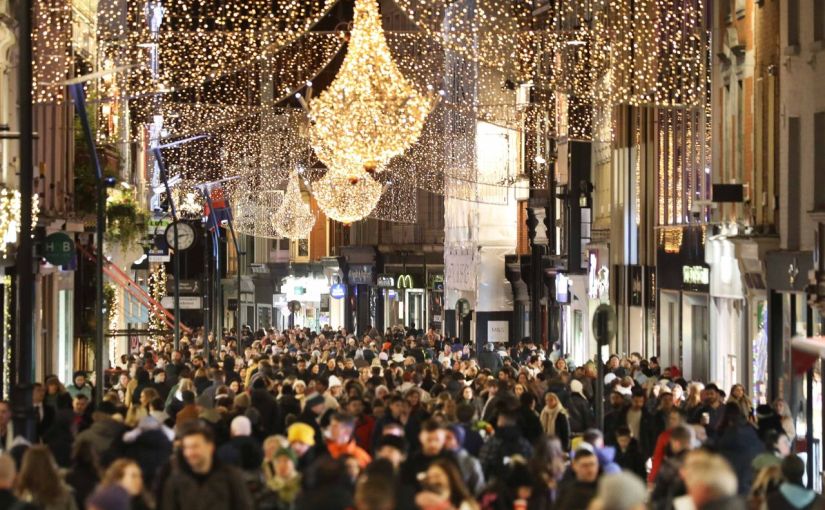
There are strings of lights and stacks of chocolates growing in the shops, and the annual question is already hanging in the air: what do you want for Christmas? Mind you, the answer is meant to be something that fits neatly inside of wrapping paper, under a tree or in a stocking. ’Tis the season to assess what we all have and (more specifically) don’t have so that we can give each other good gifts that are actually wanted. I’m all for it. Social pressure to think about other people’s desires and happiness is a good thing, and if other people are thinking about my desires as well, that’s not bad. But as we all think hard about what everyone wants and doesn’t have yet, I’d like us to pause for a moment and remember a truth that can easily get lost in the flurry of festivities: it is possible to want what you already have.
Continue reading Wanting What I Already Have
The Past Is More Than A List Of Problems
It’s often said that those who don’t learn from the past are doomed to repeat it. The unstated assumption in this saying is that the past is full of problems—which is obviously true. Learning from the mistakes of the past is a big job because there are just so many to choose from. Our learning is also complicated by the danger of over-correction—of fixating so intently on avoiding one problem that we fall easily into another. After all, we’re just as susceptible to cultural blind spots, overlooked abuses, and self-serving justifications as anyone who went before us. Have you seen the internet lately? So we must learn from the mistakes of the past, and we must apply our lessons carefully. But I think we sell history, our ancestors, and our own selves short when we only see the past as a litany of problems to avoid. Our forebearers certainly had their issues—plenty of them—but they also had their successes. They were often wrong, but sometimes they were right. And what if we were humble enough to admit this? What if we learned from history not only by critiquing it, but also by letting it critique us?
Continue reading The Past Is More Than A List Of Problems
Assisted Suicide And The Meaning Of Life
Our representatives in Dublin are voting this evening on whether to approve recommendations for assisted suicide in Ireland. This is only an indicative vote, a first step towards changing our laws, but it is a step that will pave the way for official legislation to be brought forward in the future. The argument in favour of this change is usually framed in the language of compassion and choice—that those who are suffering greatly should be able to end their suffering—and their lives—on their own terms. There are, however, many significant concerns raised in the debate as well. For example, there is the unspoken (or perhaps spoken) pressure to die that allowing this option places on good-hearted people who hate to be a burden on others. Is that really a free choice? Or consider the obvious cost-cutting incentive that assisted suicide gives the health service to end lives rather than provide expensive palliative care. Does that really promote compassion? These concerns are reason enough to oppose assisted suicide, especially in light of the heartbreaking evidence from countries who have already started down this road. But I have another more fundamental objection. I know that the one great benefit and argument for assisted suicide is that it ends suffering. This is true enough. The trouble is that it ends suffering not by treating or managing it, but rather by ending the sufferer. In doing so, assisted suicide creates a new category for our culture—a category of human life that society agrees is simply not worth living.
Continue reading Assisted Suicide And The Meaning Of Life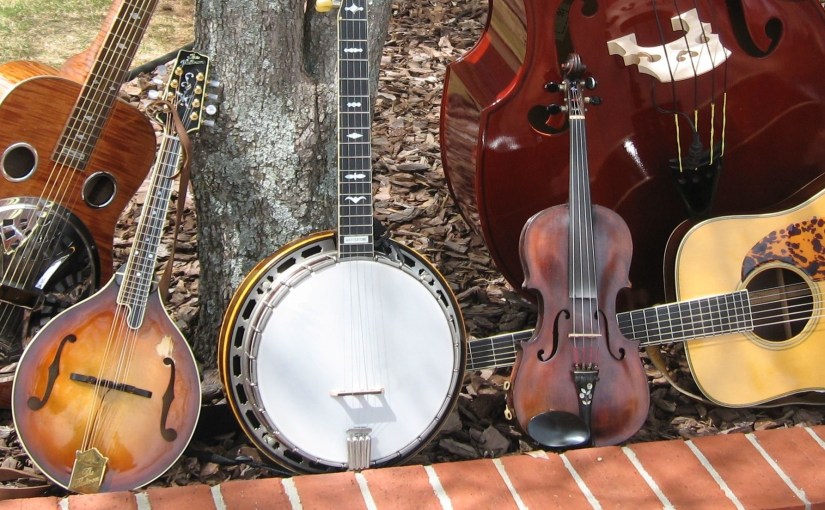
Some Of My Favourite Bluegrass
I grew up in the hills a couple of hours south of Nashville, in the heartland of country music. The radio played songs like Imagine That and Where The Green Grass Grows, but I never imagined that I would end up living in a place where the grass is as green as it is here in Ireland. I also married a girl from the mountains of Virginia, and her family helped me discover a world of music where the grass is not green—it’s blue. Bluegrass is a part of my cultural heritage (with deep roots in traditional Irish music as well), and my love for it has only grown with time. So today I’d like to share my favourite bluegrass tunes with you.
Continue reading Some Of My Favourite Bluegrass
The Secret Of Contentment
When I see the ruins of old cottages around us in Ireland, I’m always struck by how small they are, and by how dramatically our everyday living has changed. Even the best of the ancient castles are not nearly as comfortable as a standard modern home or apartment. They didn’t have flushing toilets. They didn’t have radiators or refrigerators or wifi. They didn’t have washing machines or cars or exotic foods from around the world available year round in local shops. They couldn’t order whatever they wanted from anywhere and have it shipped to their door in days without ever needing to leave the climate-controlled comfort of their own couch. If our ancestors could see us now, they would probably expect us to be the happiest, most care-free and content people to ever live. And they would be wrong. Our modern society is anything but content. We are plagued by anxiety, depression, relational breakdown, hopelessness, and despair. We promote mental health now more than ever, but the problems persist, and grow. Clearly, contentment is not just the result of having more wealth, more opportunities, more education, or better conditions. If it were, we should be one of the most content societies to ever live on planet earth. And yet somehow, contentment has eluded us. Have we been looking for it in the wrong places?
Continue reading The Secret Of Contentment
Slow Happiness
As I look out the window at the sunshine on my garden, I remember the many days that I saw the same view differently—when the glass was streaked with rain, when the ground was hard with frost, and the plants that are budding and growing so beautifully today were nothing but tiny seeds or bare sticks. It all changed so slowly, but it changed so much. And as good as it looks today, I know that there are even better things ahead—the apple blossoms will ripen into apples, the rose stems will bloom with their own unique colours and fill the air with their intoxicating aromas, there will be blueberries and strawberries and maybe this year we’ll finally get some grapes from the grape vine, now that it’s more established. It takes time, establishing. Our blueberry bushes give us a lot more now than they used to, and the apple tree is a little bigger every year. Life is like that, too, isn’t it?
Continue reading Slow Happiness
On The Origin Of Humanity’s Superpower
I originally wrote this post in 2018, and I’m reposting it today because it’s Valentine’s Day—a very good day to think about where our shared superpower comes from.
“You’d think that people would have had enough of silly love songs
But I look around me and I see it isn’t so
Some people wanna fill the world with silly love songs
And what’s wrong with that?”
So sang Sir Paul McCartney, and all it takes is a few minutes listening to the radio to prove him right. Same goes for silly rom-coms and royal weddings. For some reason, we humans get a bit silly over love. No matter how scientific our philosophy or cold and calculated our theory of existence, there’s nearly always someone in our lives who holds a mysterious power to break through our rigid shell into the gooey centre of our humanity where love is the unrivalled (and often unruly) ruler.
Continue reading On The Origin Of Humanity’s Superpower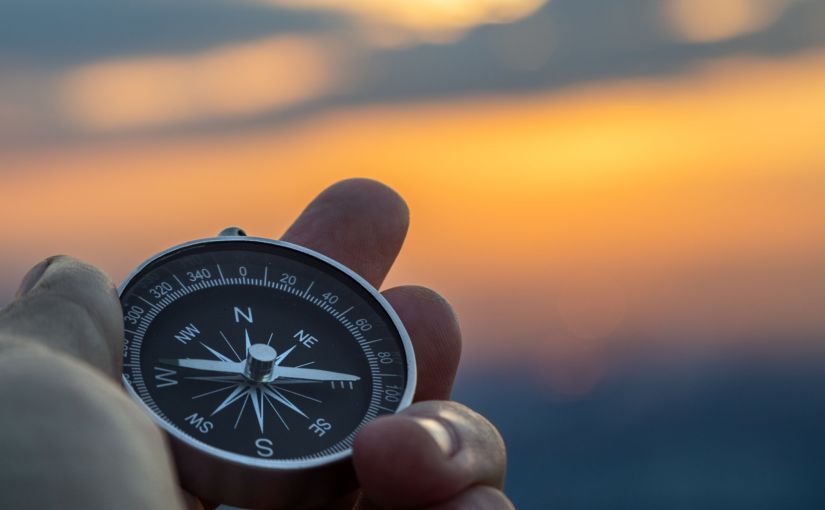
A Compass For Our Changing World
We’re a few days into another new year, and nobody knows what the next 12 months will bring. What we do know is this: the world is changing fast. Culture is changing. Economics are changing. Demographics are changing. Beliefs are changing. As the world shifts around us, there’s plenty of disagreement about which of these changes are moving us forward, which are holding us back, and what the path of progress should look like. That’s a vital question. Years ago, C.S. Lewis made an important point about it:
Continue reading A Compass For Our Changing World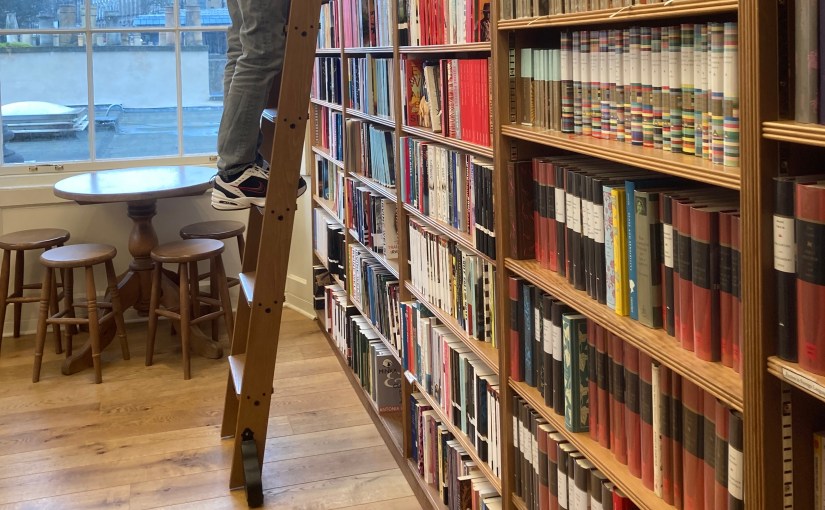
Top Books Of 2023
I’d like to finish the year out by sharing the six best books I read this year, and some recommendations from my family as well. These are not books that came out this year—some of them are old, but I read them this year and enjoyed them. You might, too.
Continue reading Top Books Of 2023
