Unthinkable (a poem)

If there was ever a doubt that God can take the evil of this world and turn it into good greater than we can imagine, that doubt was laid to rest when Jesus walked out of the tomb where he had been laid to rest. Humanity killed him for spite, and he died willingly—and rose again to save us. Now he promises that the troubles of his children who trust and follow him will also “work together for good” (Romans 8:28)—but of course that’s not how it feels in the moment when we face the unthinkable. 


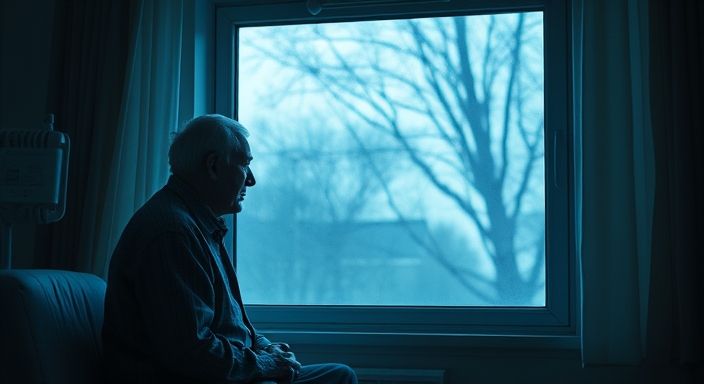
Unthinkable

Sometimes God allows
The unthinkable
Unbelievable
Thing
To happen
Continue reading Unthinkable (a poem)

Assisted Suicide And The Meaning Of Life

Our representatives in Dublin are voting this evening on whether to approve recommendations for assisted suicide in Ireland. This is only an indicative vote, a first step towards changing our laws, but it is a step that will pave the way for official legislation to be brought forward in the future. The argument in favour of this change is usually framed in the language of compassion and choice—that those who are suffering greatly should be able to end their suffering—and their lives—on their own terms. There are, however, many significant concerns raised in the debate as well. For example, there is the unspoken (or perhaps spoken) pressure to die that allowing this option places on good-hearted people who hate to be a burden on others. Is that really a free choice? Or consider the obvious cost-cutting incentive that assisted suicide gives the health service to end lives rather than provide expensive palliative care. Does that really promote compassion? These concerns are reason enough to oppose assisted suicide, especially in light of the heartbreaking evidence from countries who have already started down this road. But I have another more fundamental objection. I know that the one great benefit and argument for assisted suicide is that it ends suffering. This is true enough. The trouble is that it ends suffering not by treating or managing it, but rather by ending the sufferer. In doing so, assisted suicide creates a new category for our culture—a category of human life that society agrees is simply not worth living. 

Continue reading Assisted Suicide And The Meaning Of Life

The Challenge Of Choosing Between Bitter And Better

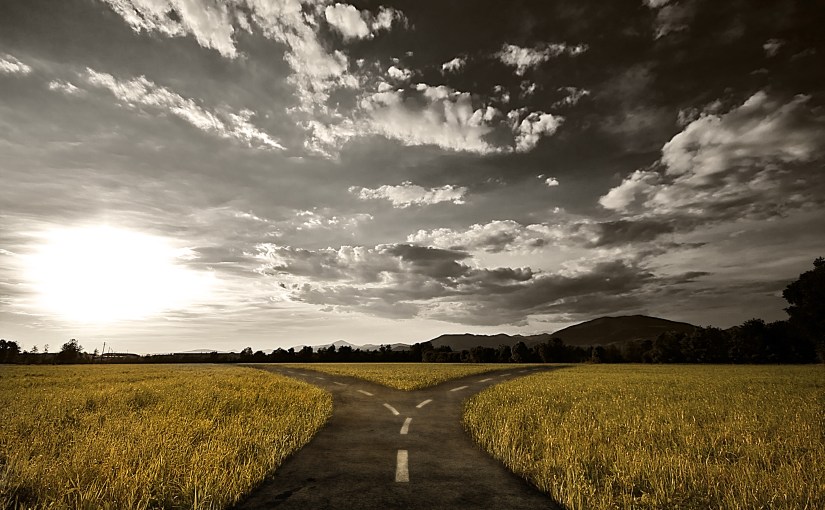
There may only be one letter between bitter and better, but like street signs on the same post, the two words point us in opposite directions. And these signposts are planted firmly, with the same two arrows, at every difficult junction we face on the road of life. No matter how well we may have chosen in the past, or how poorly, the same choice always presents itself all over again: will we let the difficulties of life make us better? Or bitter?

It’s obvious, isn’t it? One choice is literally named “better.” So that’s clearly the choice we’ll always make. Right? Why would we willingly choose to travel a bitter road when a better option is always available to us? The answer is this: we don’t always believe the signposts. 

Continue reading The Challenge Of Choosing Between Bitter And Better

After The Flood

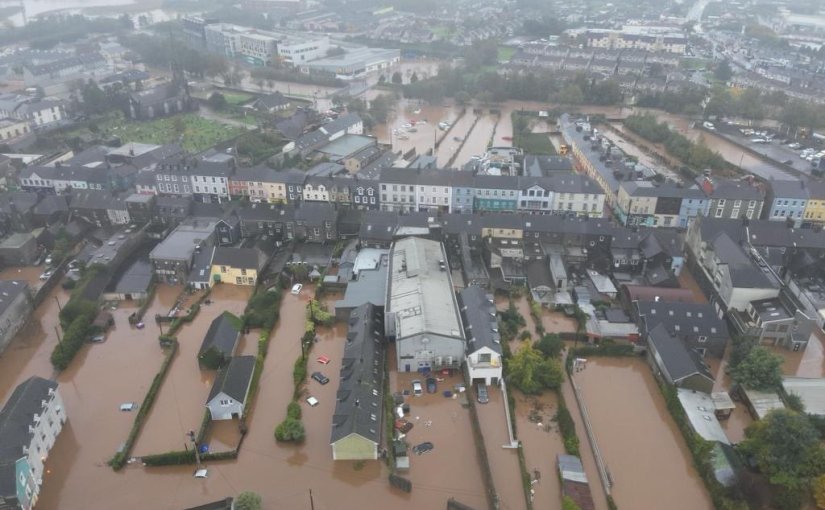
When the children went to school last Wednesday, it was raining. This is Ireland. We’re used to rain. Met Éireann gave an orange weather warning, but that almost always just means a bit of gusty wind or extra rain. I barely noticed. It wasn’t until the afternoon that I realised that this time it was not just a little bit extra—it was a month’s worth of rain, in 24 hours. The ground, so green and lush and well-watered, refused to take any more. The rivers carried away what they could, but they couldn’t carry it fast enough. Their banks broke. The green fields quickly became brown lakes. Then the lakes came into the streets, and the streets became rivers. And rivers don’t knock before they come inside.

Continue reading After The Flood

We Cry Out

We’ve been working our way through Romans in our local Bible study group, and last week we talked about the part in chapter 8 where Paul writes this:

“We know that the whole creation has been groaning as in the pains of childbirth right up to the present time. Not only so, but we ourselves, who have the firstfruits of the Spirit, groan inwardly as we wait eagerly for our adoption to sonship, the redemption of our bodies.”

As I’ve read the news this week, I have thought about these verses often. I feel it in my own heart: I am groaning inwardly. The whole world is groaning in pain. But the beauty of this passage is not in its realism, although the realism is important. We dare not downplay the pain. It is too real, too horrible, too heavy. In a global moment like this, we simply cannot ignore the brokenness of our world, or pretend that everything is fine. It’s not fine. At all. And yet, we see in these verses that although reality includes pain and groaning right now, reality is more than those things—there is a hope that is just as real—even more so. That’s what I tried to capture in this poem:

Continue reading We Cry Out