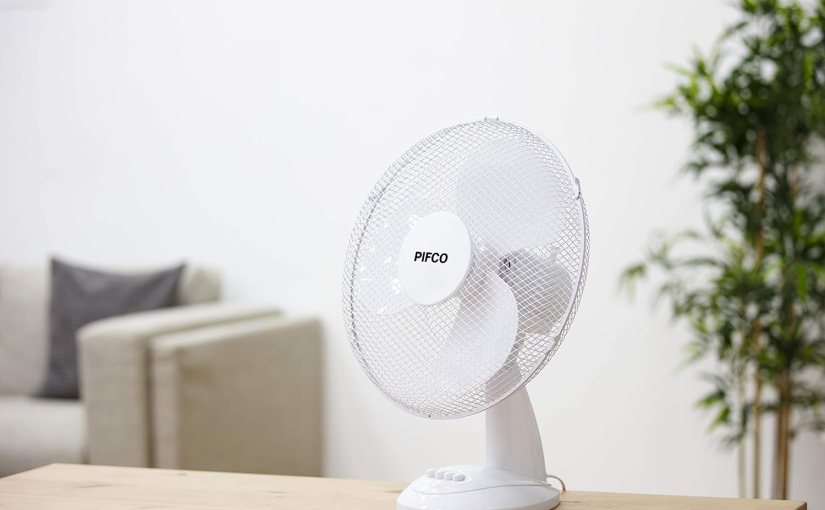
There is a simple machine in our house that gives me more happiness than is really logical or reasonable. Most of the year, it lives in the attic, waiting for the summer when the house warms up and we open the windows to let the breeze in (this is the only air conditioning system we need in Ireland). To help encourage that summer breeze inside, we take down the fan from storage and turn it on. I enjoy turning on the fan more than I can sensibly explain to you. I guess you could say I’m a fan of it. The sound of the motor and spinning blades resonates with something deep inside of me, which is strange, I know, but the breeze dusts off long-past memories of summer days and the places I used to spend them. In that mental swirl there arises an old and comfortable happiness, intangible but very real, and I can’t help but smile.
Continue reading A FanTag: Ireland
The Crooked Apple Tree
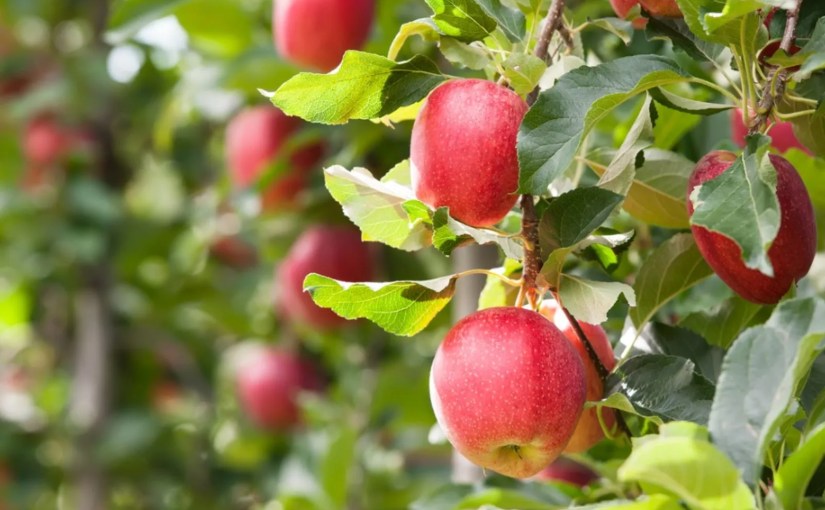
Beside a country road in Ireland there are two tall pillars marking the entrance to my friend’s home, down a lane that used to lead to a massive manor house. That mansion is long gone, but the stately pillars remain as crumbling reminders of its past glories. The gravel lane between them now winds its way to the old farm buildings on the estate, which were nothing but ruined walls until my friend rebuilt them into a home. Outside, the chickens wander freely with the dogs among the garden beds and fruit trees.
Continue reading The Crooked Apple TreePruning (a poem)
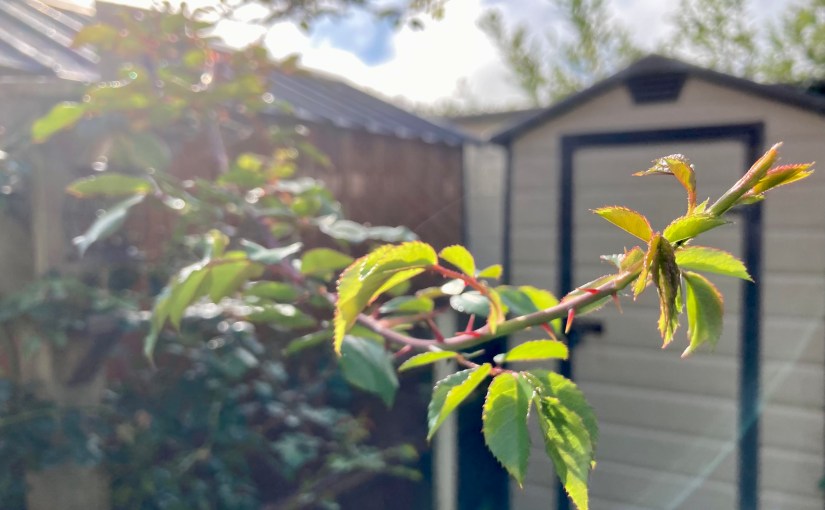
Everything grows fast in the garden this time of year. The rose stems stretch themselves upward, then droop with the weight of their own blooms. The grape vine climbs the arbour, blindly grasping anything it can hold on to. The weeds come back, and come back again, from somewhere, everywhere, while the vines on the back wall grow in every direction at once. All of this growth is a beautiful, abundant gift, yet I know that if I leave it untended for too long, my garden will eventually become something else entirely. The strawberries will send runners into the grass, the grass will colonise the herb bed, the weeds will colonise the grass, and the roses will block the path with thorns. The longer I leave it alone, the harder I’ll have to work to reclaim it. And here, in the wild tendencies of my garden, I see a reflection of myself. That’s what this poem is about:
Continue reading Pruning (a poem)The Secret Of Contentment
When I see the ruins of old cottages around us in Ireland, I’m always struck by how small they are, and by how dramatically our everyday living has changed. Even the best of the ancient castles are not nearly as comfortable as a standard modern home or apartment. They didn’t have flushing toilets. They didn’t have radiators or refrigerators or wifi. They didn’t have washing machines or cars or exotic foods from around the world available year round in local shops. They couldn’t order whatever they wanted from anywhere and have it shipped to their door in days without ever needing to leave the climate-controlled comfort of their own couch. If our ancestors could see us now, they would probably expect us to be the happiest, most care-free and content people to ever live. And they would be wrong. Our modern society is anything but content. We are plagued by anxiety, depression, relational breakdown, hopelessness, and despair. We promote mental health now more than ever, but the problems persist, and grow. Clearly, contentment is not just the result of having more wealth, more opportunities, more education, or better conditions. If it were, we should be one of the most content societies to ever live on planet earth. And yet somehow, contentment has eluded us. Have we been looking for it in the wrong places?
Continue reading The Secret Of ContentmentPatrick Loved Ireland Before Ireland Loved Patrick
On the 17th of March, people around the world will celebrate Ireland’s national holiday, St. Patrick’s Day. Is there any other national holiday in the world that is celebrated as internationally as Ireland’s? It is truly unique. So as the bunting goes up and the landmarks turn green and the parades are organised, it’s worth remembering the man who inspired this global celebration.
Like the holiday named after him, Patrick’s life was truly unique. He did not consider himself a great man, and would likely be uncomfortable with the extravagance of the yearly honours we bestow on him. In his autobiography, he calls himself “a simple country person, a refugee, and unlearned.” The reason he calls himself a “refugee” is because his connection with Ireland, which is how everyone remembers him today, only began when he was sixteen—and it wasn’t a good start at all. The first Irish people that Patrick met were the people who raided his hometown (probably in Wales) and carried off thousands of prisoners—including Patrick—to be sold into slavery in Ireland. Our patron saint’s first sighting of Ireland’s beautiful shores came while he was in the chains of human traffickers. In Ireland, Patrick tells us that he was “brought low by hunger and nakedness daily.” His slavery continued until he was twenty-two years old. This is not the part of the story we celebrate on March 17th.
Continue reading Patrick Loved Ireland Before Ireland Loved PatrickSteeple Mountains
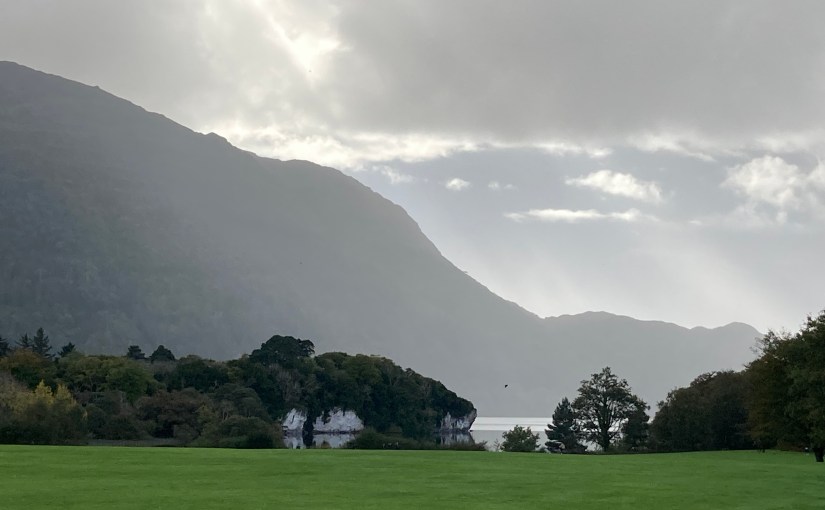
It was a Sunday afternoon in Killarney, and I was alone with no time pressure. In a situation like that, there’s no difficulty in knowing where to go—it has to be Killarney National Park. The paths are basically endless there, winding as they do through the mature forests that grow along the lakeshore and up into the mountains. The fields, the ruins, and the trees all have long histories, histories that bleed their weight and significance into the air and make quick steps—like mine—ring with impertinence.
My manners were mended when I was forced to step aside from the main path in deference for a horse that was pulling a jaunting car. As I waited, I noticed a narrow track worn into the ground at the very edge of the lake. This new way called to me with the eternal appeal of the road less travelled, and I was not disobedient. There were no horses on that tiny trail, and no other people, either. The sound of my own heavy feet on the ground was all I heard, accompanied by the occasional rustle of the leaves above me and the endless quiet splashing of rippled water against ragged outcroppings of rocks and roots beside me. When I stopped my noisy shoes on a protruding boulder, the stillness immediately enveloped me.
Continue reading Steeple MountainsHow I’m Voting In The Constitutional Referendum (And Why)
On the 8th of March, the citizens of Ireland will be asked to make two changes to our constitution by referendum. Because of the importance of these decisions, I’d like to use this week’s post to discuss them. The first change would be to the constitutional definition of the family, adding “other durable relationships” alongside marriage in Article 41. The Article with the proposed change would read this way (updated wording in bold):
Article 41.1.1° “The State recognises the Family, whether founded on marriage or on other durable relationships, as the natural primary and fundamental unit group of Society, and as a moral institution possessing inalienable and imprescriptible rights, antecedent and superior to all positive law.”
Continue reading How I’m Voting In The Constitutional Referendum (And Why)After The Flood
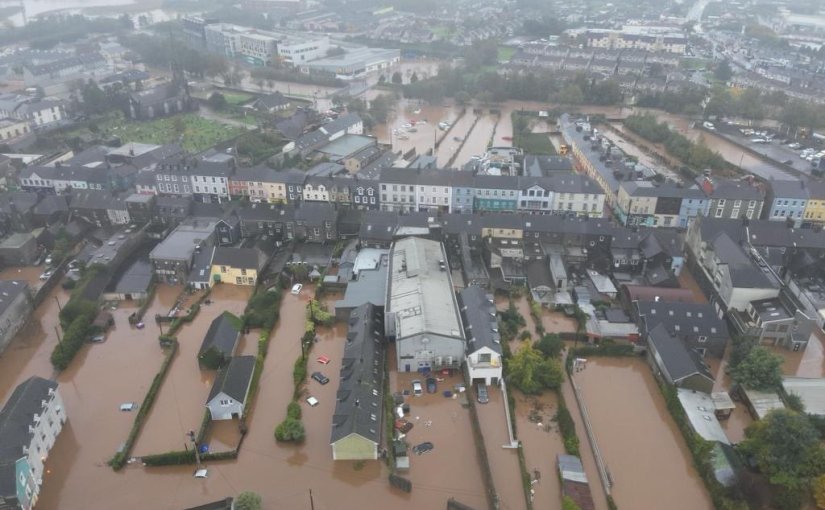
When the children went to school last Wednesday, it was raining. This is Ireland. We’re used to rain. Met Éireann gave an orange weather warning, but that almost always just means a bit of gusty wind or extra rain. I barely noticed. It wasn’t until the afternoon that I realised that this time it was not just a little bit extra—it was a month’s worth of rain, in 24 hours. The ground, so green and lush and well-watered, refused to take any more. The rivers carried away what they could, but they couldn’t carry it fast enough. Their banks broke. The green fields quickly became brown lakes. Then the lakes came into the streets, and the streets became rivers. And rivers don’t knock before they come inside.
Continue reading After The FloodDays Like Blackberries
It’s blackberry season in Ireland right now, and our family has a yearly tradition of picking them. They’re not hard to find. The vines are growing in the hedges along the roads, reaching out into the paths in the woods, climbing over the old stone walls in the fields, and all of them covering themselves in juicy, plump, sweet little berries. Like candy, except healthier, and with thornier packaging. And free! They just grow, right out of the ground, in loads of public places where we can pick and eat and keep as many as we want. Last weekend we got almost four pounds on one family walk which are now (thanks to my wife) three jars of delicious homemade jam. Can you believe we live in a world where there are jam-bushes growing wild?
Continue reading Days Like BlackberriesAnyway (a poem)
Sometimes beauty is found in the most unlikely places.
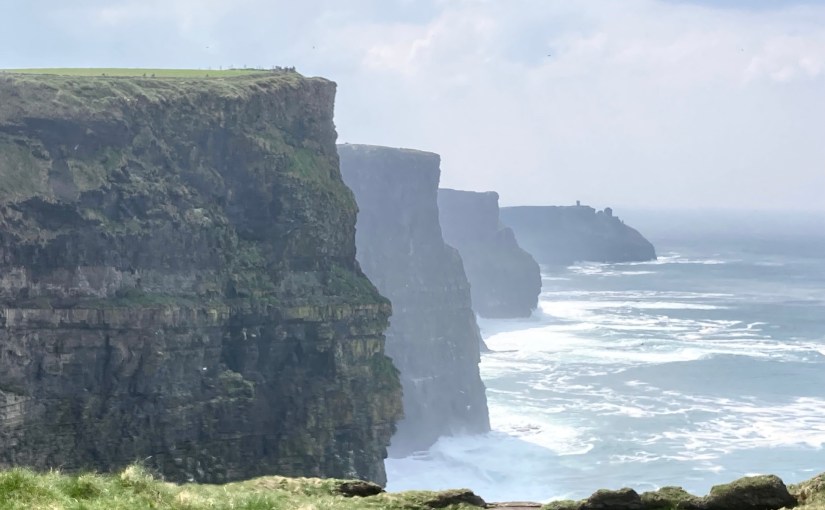
Where Ireland’s green
Meets ocean’s blue
In jagged cliffs
With sweeping views
I walked until
The thick grass ended
Down onto the
Rocks descended
Down where wild
Wind and sea
Play tug of war
Continually