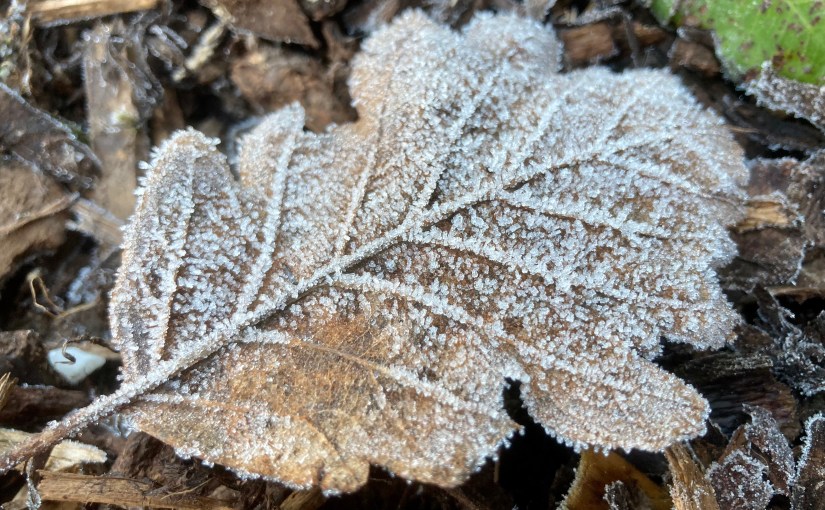
It’s been months since I paid any attention to the long-lost autumn leaves that are lying in the grass alongside the roads and paths that I walk on. The glorious colour they impressed me with when they fell is nothing but a memory now. Then again, have you seen what frost can do to a leaf on the ground? This morning, every vein of every leaf is highlighted in white—the intricate patterns stand out in shimmering relief—and once again my eyes are drawn in renewed wonder. A few weeks ago, I would have told you that these leaves were far beyond their glory days. This morning, they shine unexpectedly with a new and different kind of glory. Our Creator can make beauty shine from a pile of dead leaves, and anywhere he wants, and long after we’ve given up hope of it ever coming again.
Continue reading Another Chance (a poem)Category: Poetry

Hot And Cold (a poem)
Thanksgiving is an American tradition that our family will never, ever give up. The feast is amazing, but so is the logic: a holiday especially made for giving thanks! You have to give the pilgrims credit: they were clever. Giving thanks is one of the healthiest, happiest things you could ever do. Not just with a feast, and not just on the fourth Thursday in November—it’s a habit that can reshape our perspectives and grow contentment in our hearts all year long. That’s what this poem is about:
Continue reading Hot And Cold (a poem)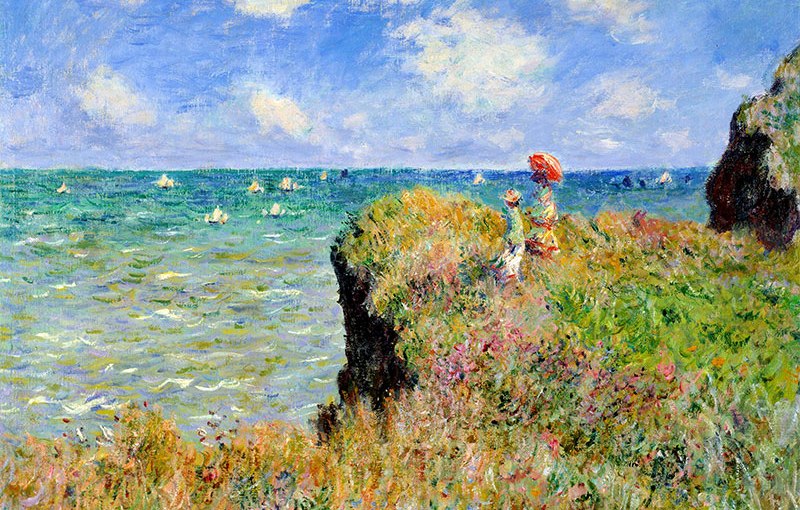
Inside Of The Painting (a poem)
I have a short poem for you today, and it requires some imagination—but not much.
Inside Of The Painting
What does it look like
Inside of the painting?
What would it be like
To live in that world?
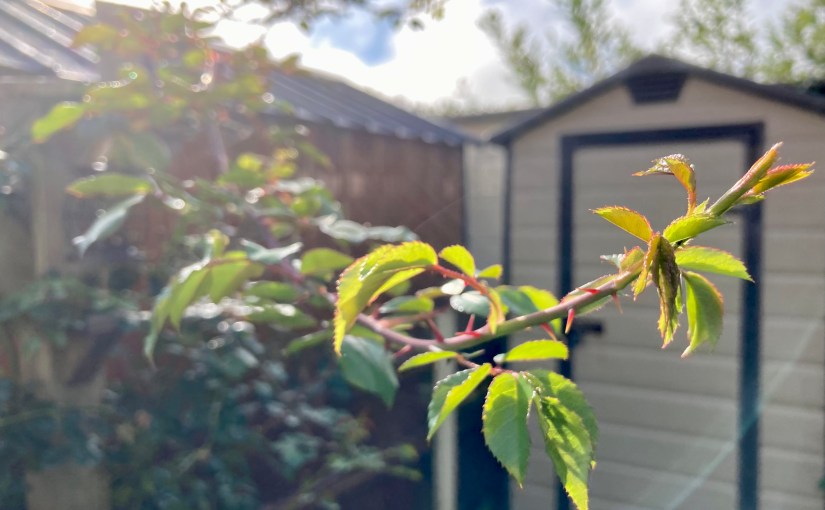
Thorn Bush (a poem)
This week I have a short poem for you about a plant in our garden. It’s about more than that, really, but I’ll let it speak for itself:
Thorn Bush
The bush in our garden
Is covered with thorns
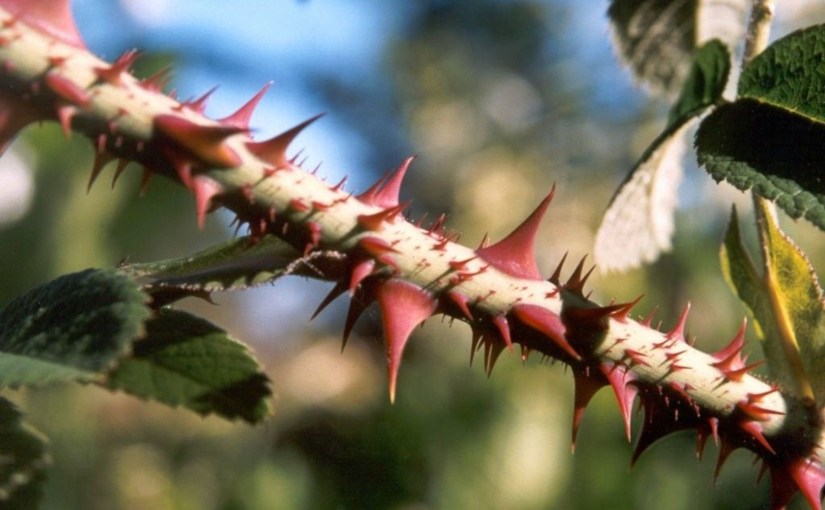
The Weeds (a poem)
You don’t know how bad the weeds are until you try to plant and keep a garden. In a similar way, as C.S. Lewis put it, “no man knows how bad he is till he has tried very hard to be good.” These are the things I was thinking about when I wrote this poem:
Continue reading The Weeds (a poem)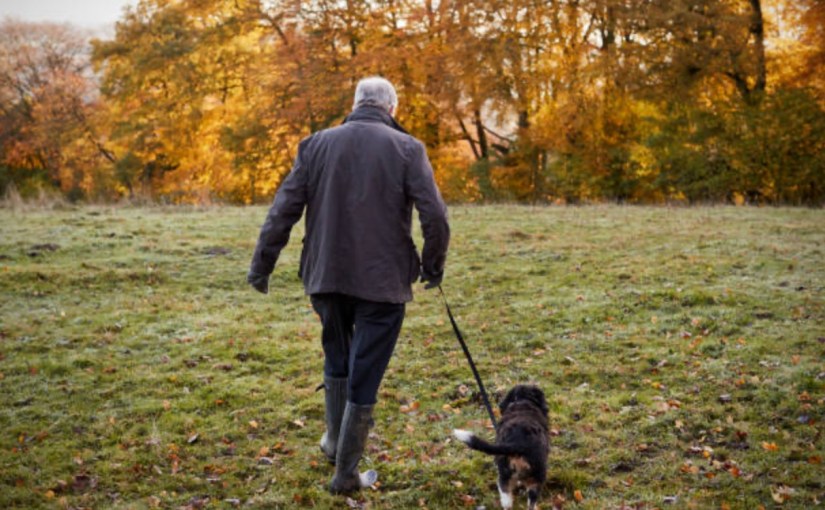
Slowly (a poem)
Sometimes it’s better to slow down to stay with someone else.
I see him walking
Slowly
Across the field
He’s old
But not so old
To move so slow
My eye follows
The lead he holds
That leads to
His companion—
Whose tail is wagging
Slowly
Continue reading Slowly (a poem)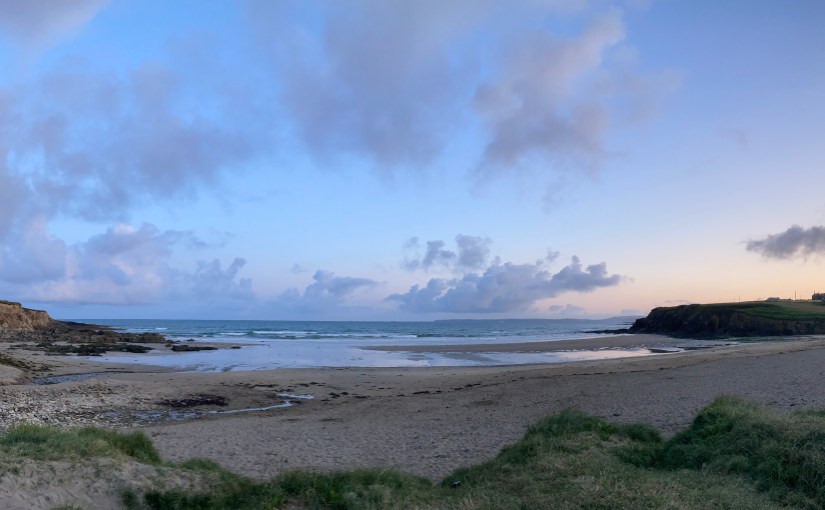
The End
Yesterday my wife and I attended the funeral of a friend that we will miss dearly. We still hear the echo of his deep voice in our ears, singing to the God he loved and served so well for so long. We will carry the memory of his smile and kind words with us as a precious treasure for the rest of our lives.
It’s hard to say goodbye.
It’s hard, but we need to do it. We need to remember, and grieve. We need to look back with thankfulness and look forward with hope.
But who can dare to look forward at a funeral?
Who can see beyond the finality of death?
Anyway (a poem)
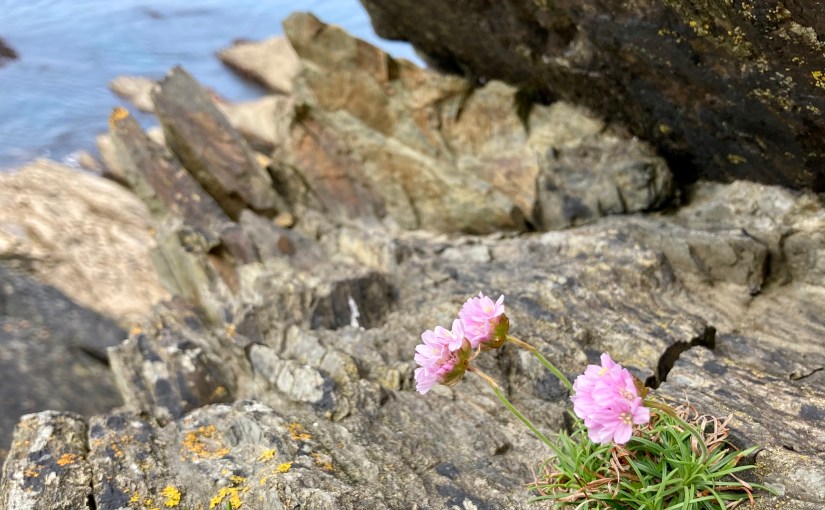
Sometimes beauty is found in the most unlikely places.
Where Ireland’s green
Meets ocean’s blue
In jagged cliffs
With sweeping views
I walked until
The thick grass ended
Down onto the
Rocks descended
Down where wild
Wind and sea
Play tug of war
Continually

The Last Wall
Two weeks ago I wrote about how easily I can go blind to the world around me, forgetting to look at the familiar things I see every day. Sometimes it takes effort to really look at what I’m seeing, but the effort is worth it. I have found that the tangible world around me can often help me regain a proper perspective on my life. The ocean reminds me that my worries are smaller than they feel. The flowers remind me of God’s provision, the birds remind me of his care (Luke 12:22-31). In the following two poems, I tried to capture what a ruined wall behind our village and the couch in our sitting room reminded me of:
Continue reading The Last Wall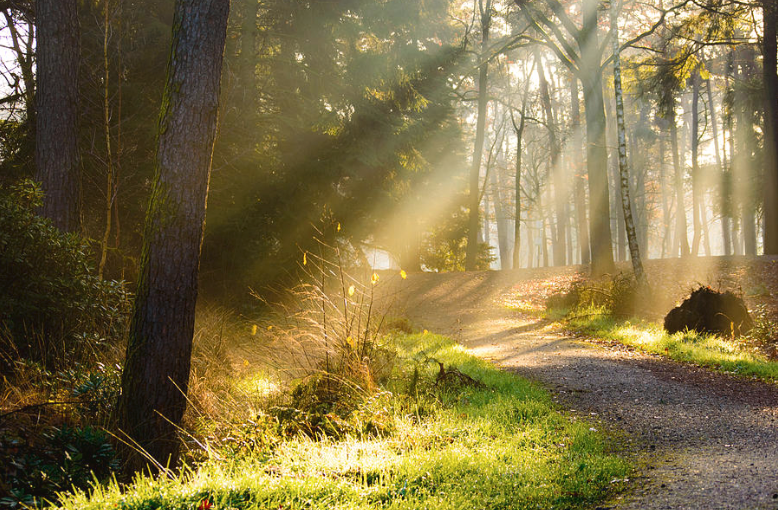
Walking Home
Richard Baxter lived 400 years ago, but he still was able to help me recently with some good advice. He wrote that God’s people should “take one walk every day in the New Jerusalem.” He meant that we should intentionally remember God’s promises, and live right now in the light of them. But I love the way he said it, and that’s where this poem came from:
Continue reading Walking Home sethlewis.ie