New Year’s Day, 2025. The day we all start having to pause to remember what year to write on forms and checks and such, or when we start writing it wrong and having to scribble it out and start again. What will this New Year bring? No one really knows. Looking back is easier—we know what the past is. For good or bad, it’s done. Before long, this past year that was so current, so vital and cutting-edge yesterday will start to feel stale and dated. Old. Has been. Whether we look back on it as the good old days or some kind of personal dark age doesn’t change the fact that we will look back on it. There was a New Year’s Day last year, too. Do you remember it? Or ten years ago, or twenty? Last Halloween I saw that they were selling ’90’s costumes, as if the ’90’s weren’t just last week. But they did look a bit funny.
Continue reading I’m Dated (and you are, too)Tag: Living
How To Avoid A Midlife Crisis (an open letter to twenty-somethings)
Dear young adult,
I know you’re not thinking about having a midlife crisis right now. I know the concept feels far away and foreign, the domain of grumpy gen-Xers and geriatric millennials who drink too much coffee and still complain about being tired all the time. I know you’re probably tired of people telling you to enjoy your stage of life because it all goes so fast. You might not believe me, but the reason almost everyone says this when they reach a certain age is because stages of life actually do go quickly. In fact I can prophecy with confidence that you’ll be saying the something similar in about twenty years time, to the tolerant nods of your juniors. Twenty years probably feels like an eternity to you right now. I get it. But eventually the speed of life catches up with you like a marathon runner who loses sight of the starting line and suddenly realises that the impossibly-distant finish line is actually real and not so distant after all. The difference is that a marathon runner wants to reach the finish line, whereas in life most people don’t. Thus, the midlife crisis. And apparently, I’m due for one. I’ve slept through enough nights and celebrated enough birthdays to qualify for such things, even though no one can tell me what the true mid-point of my life is with any degree of certainty. The specifics don’t matter. My life is clearly passing by, and I’ve reached the stage where this fact can no longer be hidden or ignored. This is the driving force of the midlife crisis—the sudden intrusion of truths we like to push away for as long as possible. At some point they come in anyway, and make themselves at home.
Continue reading How To Avoid A Midlife Crisis (an open letter to twenty-somethings)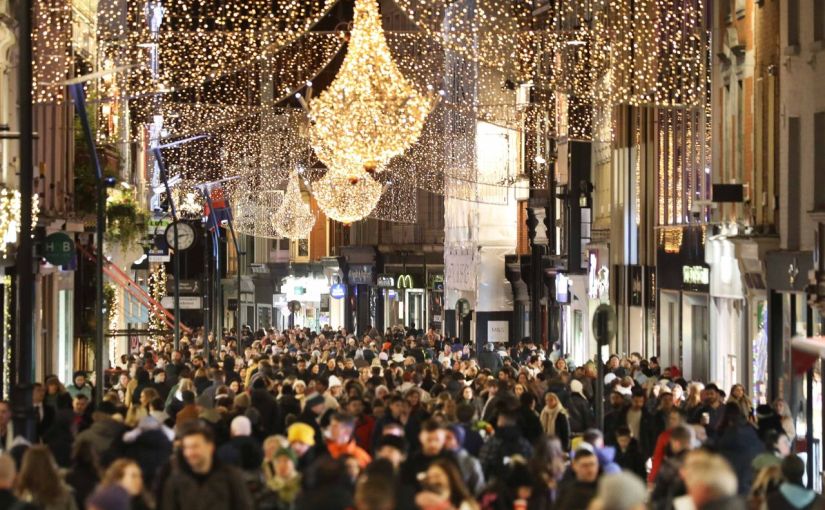
Wanting What I Already Have
There are strings of lights and stacks of chocolates growing in the shops, and the annual question is already hanging in the air: what do you want for Christmas? Mind you, the answer is meant to be something that fits neatly inside of wrapping paper, under a tree or in a stocking. ’Tis the season to assess what we all have and (more specifically) don’t have so that we can give each other good gifts that are actually wanted. I’m all for it. Social pressure to think about other people’s desires and happiness is a good thing, and if other people are thinking about my desires as well, that’s not bad. But as we all think hard about what everyone wants and doesn’t have yet, I’d like us to pause for a moment and remember a truth that can easily get lost in the flurry of festivities: it is possible to want what you already have.
Continue reading Wanting What I Already Have
The Past Is More Than A List Of Problems
It’s often said that those who don’t learn from the past are doomed to repeat it. The unstated assumption in this saying is that the past is full of problems—which is obviously true. Learning from the mistakes of the past is a big job because there are just so many to choose from. Our learning is also complicated by the danger of over-correction—of fixating so intently on avoiding one problem that we fall easily into another. After all, we’re just as susceptible to cultural blind spots, overlooked abuses, and self-serving justifications as anyone who went before us. Have you seen the internet lately? So we must learn from the mistakes of the past, and we must apply our lessons carefully. But I think we sell history, our ancestors, and our own selves short when we only see the past as a litany of problems to avoid. Our forebearers certainly had their issues—plenty of them—but they also had their successes. They were often wrong, but sometimes they were right. And what if we were humble enough to admit this? What if we learned from history not only by critiquing it, but also by letting it critique us?
Continue reading The Past Is More Than A List Of Problems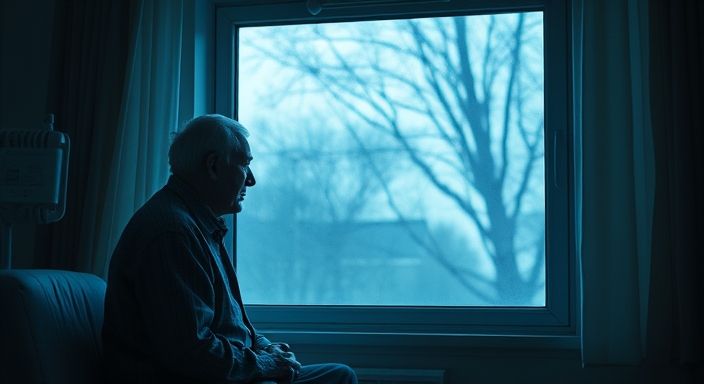
Assisted Suicide And The Meaning Of Life
Our representatives in Dublin are voting this evening on whether to approve recommendations for assisted suicide in Ireland. This is only an indicative vote, a first step towards changing our laws, but it is a step that will pave the way for official legislation to be brought forward in the future. The argument in favour of this change is usually framed in the language of compassion and choice—that those who are suffering greatly should be able to end their suffering—and their lives—on their own terms. There are, however, many significant concerns raised in the debate as well. For example, there is the unspoken (or perhaps spoken) pressure to die that allowing this option places on good-hearted people who hate to be a burden on others. Is that really a free choice? Or consider the obvious cost-cutting incentive that assisted suicide gives the health service to end lives rather than provide expensive palliative care. Does that really promote compassion? These concerns are reason enough to oppose assisted suicide, especially in light of the heartbreaking evidence from countries who have already started down this road. But I have another more fundamental objection. I know that the one great benefit and argument for assisted suicide is that it ends suffering. This is true enough. The trouble is that it ends suffering not by treating or managing it, but rather by ending the sufferer. In doing so, assisted suicide creates a new category for our culture—a category of human life that society agrees is simply not worth living.
Continue reading Assisted Suicide And The Meaning Of Life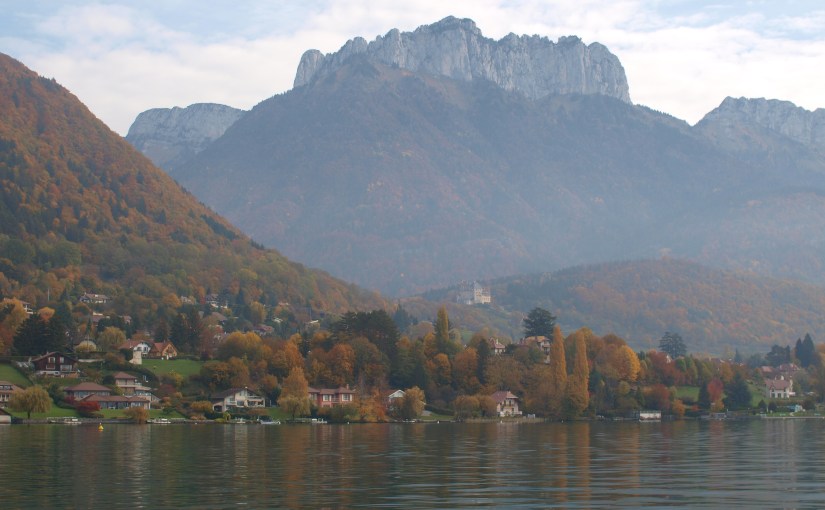
The Cost Of Greatness (a poem)
Can you bear the cost of greatness
In the kingdom of our Lord?
You can’t buy it with your money
Or take it with a sword
Will you let yourself be overlooked
And measured as the least?
Can you bear to serve the tables
For the others as they feast?
Let your patience be called weakness
Let your love be misconstrued
Let them scorn your sacrifices
And speak evil of your good
Can you give away your rights
Without demanding recognition?
Quench the thirst of enemies
While they reload their ammunition?
Plough your years into the soil
Till your neighbour’s garden blooms
And keep on being generous
When everyone assumes
That the credit for the good you’ve done
Is everyone’s but yours—
And when they say your work’s in vain
Still keep a steady course
Can you offer up forgiveness
To the ones who’ve done you wrong?
Can you bend your neck into the yoke
And still lift up a song?
The climb to heaven’s greatness
On the pathway of our Lord
Is a climb that takes you downward
To his unending reward
“Whoever wants to become great among you must be your servant, and whoever wants to be first must be your slave—just as the Son of Man did not come to be served, but to serve, and to give his life as a ransom for many.”
– Matthew 20:26-28
What Makes Our Town (Or Any Place) Great
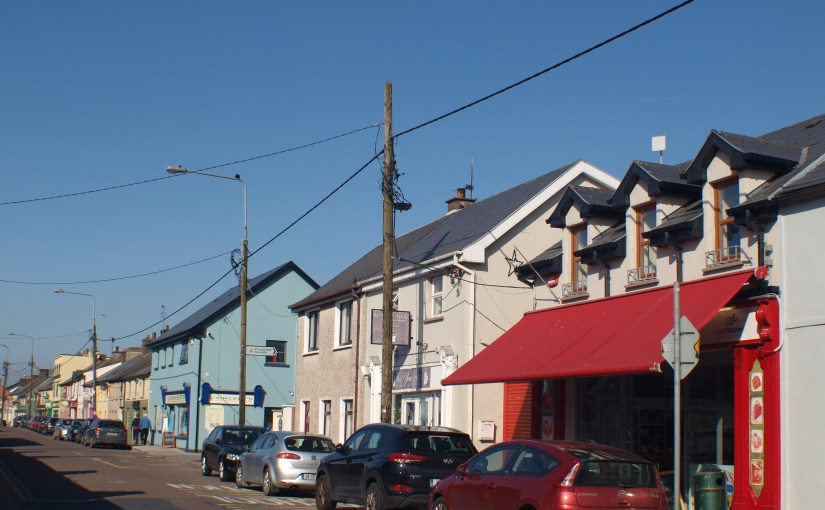
What makes a town or a city a great place to live? There are many factors, of course, from cost of living to amenities and natural beauty and so on, but there is one factor that surpasses them all. This was pointed out to me by a man who has been dead for some time, G.K. Chesterton. He wrote about what makes cities great in his often surprising and famously thought-provoking testimonial work, Orthodoxy. Using Pimlico as an example—a village in central London which must have been dire in Chesterton’s time—he says:
“Let us suppose we are confronted with a desperate thing—say Pimlico…. It is not enough for a man to disapprove of Pimlico: in that case he will merely cut his throat or move to Chelsea. Nor, certainly, is it enough for a man to approve of Pimlico: for then it will remain Pimlico, which would be awful. The only way out of it seems to be for somebody to love Pimlico: to love it with a transcendental tie and without any earthly reason. If there arose a man who loved Pimlico, then Pimlico would rise into ivory towers and golden pinnacles; Pimlico would attire herself as a woman does when she is loved… If men loved Pimlico as mothers love children, arbitrarily, because it is theirs, Pimlico in a year or two might be fairer than Florence. Some readers will say that this is a mere fantasy. I answer that this is the actual history of mankind. This, as a fact, is how cities did grow great… Men did not love Rome because she was great. She was great because they had loved her.”
Continue reading What Makes Our Town (Or Any Place) Great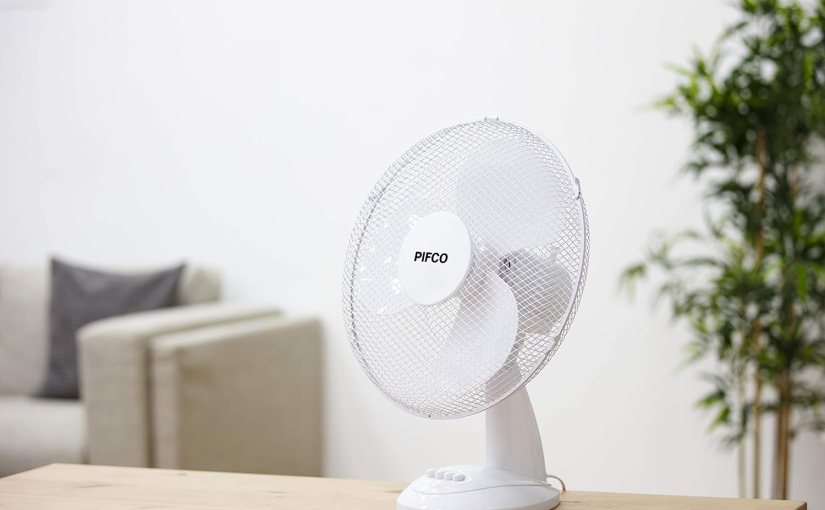
A Fan
There is a simple machine in our house that gives me more happiness than is really logical or reasonable. Most of the year, it lives in the attic, waiting for the summer when the house warms up and we open the windows to let the breeze in (this is the only air conditioning system we need in Ireland). To help encourage that summer breeze inside, we take down the fan from storage and turn it on. I enjoy turning on the fan more than I can sensibly explain to you. I guess you could say I’m a fan of it. The sound of the motor and spinning blades resonates with something deep inside of me, which is strange, I know, but the breeze dusts off long-past memories of summer days and the places I used to spend them. In that mental swirl there arises an old and comfortable happiness, intangible but very real, and I can’t help but smile.
Continue reading A Fan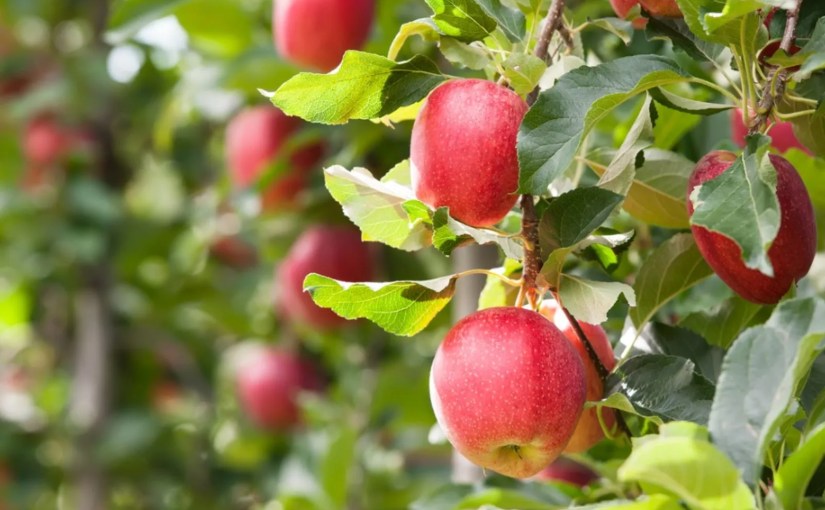
The Crooked Apple Tree
Beside a country road in Ireland there are two tall pillars marking the entrance to my friend’s home, down a lane that used to lead to a massive manor house. That mansion is long gone, but the stately pillars remain as crumbling reminders of its past glories. The gravel lane between them now winds its way to the old farm buildings on the estate, which were nothing but ruined walls until my friend rebuilt them into a home. Outside, the chickens wander freely with the dogs among the garden beds and fruit trees.
Continue reading The Crooked Apple Tree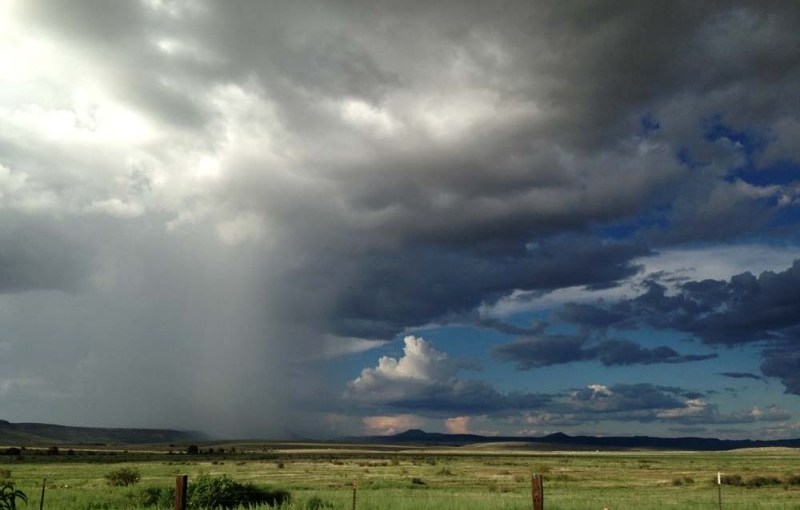
Outrunning The Rain
Living in Ireland, I’ve gotten used to the rain taking its own sweet time. It softly falls for days or weeks on end, completely oblivious to how egregiously it has overstayed its welcome. In Alabama, where I grew up, things are different. The rain there waits and builds up and waits some more and then suddenly bursts out of the clouds in a mad rush to pelt the ground all at once with all the drama and thunder and sky-splitting electricity it can muster (and sometimes tornadoes).
Continue reading Outrunning The Rain sethlewis.ie