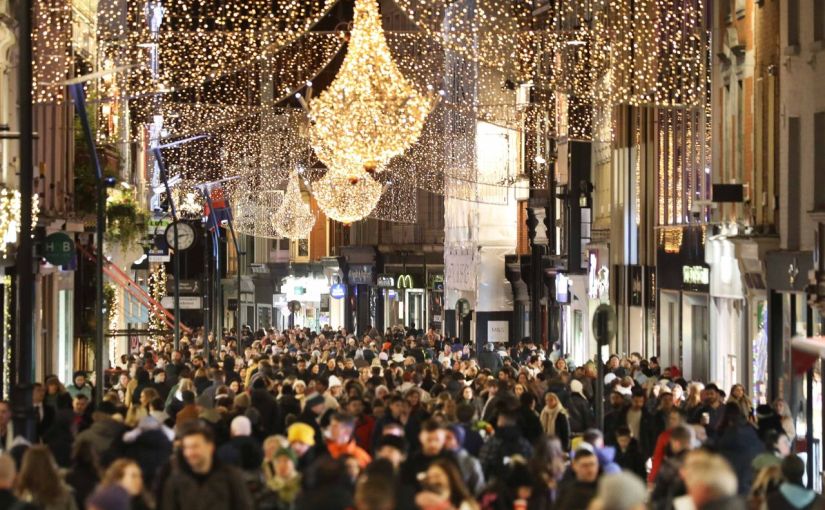
There are strings of lights and stacks of chocolates growing in the shops, and the annual question is already hanging in the air: what do you want for Christmas? Mind you, the answer is meant to be something that fits neatly inside of wrapping paper, under a tree or in a stocking. ’Tis the season to assess what we all have and (more specifically) don’t have so that we can give each other good gifts that are actually wanted. I’m all for it. Social pressure to think about other people’s desires and happiness is a good thing, and if other people are thinking about my desires as well, that’s not bad. But as we all think hard about what everyone wants and doesn’t have yet, I’d like us to pause for a moment and remember a truth that can easily get lost in the flurry of festivities: it is possible to want what you already have.
Continue reading Wanting What I Already HaveTag: contentment

The Secret Of Contentment
When I see the ruins of old cottages around us in Ireland, I’m always struck by how small they are, and by how dramatically our everyday living has changed. Even the best of the ancient castles are not nearly as comfortable as a standard modern home or apartment. They didn’t have flushing toilets. They didn’t have radiators or refrigerators or wifi. They didn’t have washing machines or cars or exotic foods from around the world available year round in local shops. They couldn’t order whatever they wanted from anywhere and have it shipped to their door in days without ever needing to leave the climate-controlled comfort of their own couch. If our ancestors could see us now, they would probably expect us to be the happiest, most care-free and content people to ever live. And they would be wrong. Our modern society is anything but content. We are plagued by anxiety, depression, relational breakdown, hopelessness, and despair. We promote mental health now more than ever, but the problems persist, and grow. Clearly, contentment is not just the result of having more wealth, more opportunities, more education, or better conditions. If it were, we should be one of the most content societies to ever live on planet earth. And yet somehow, contentment has eluded us. Have we been looking for it in the wrong places?
Continue reading The Secret Of Contentment
Hot And Cold (a poem)
Thanksgiving is an American tradition that our family will never, ever give up. The feast is amazing, but so is the logic: a holiday especially made for giving thanks! You have to give the pilgrims credit: they were clever. Giving thanks is one of the healthiest, happiest things you could ever do. Not just with a feast, and not just on the fourth Thursday in November—it’s a habit that can reshape our perspectives and grow contentment in our hearts all year long. That’s what this poem is about:
Continue reading Hot And Cold (a poem)
The (Lost) Art Of Contentment
We’re not supposed to be content. We’re told that what we really should be is busy, productive, and eager to buy the next life-changing device offered half price on Black Friday. The busier the better as we keep pushing forward, improving our station in life, and not letting anybody stand in the way of our dreams. No room in all that for talk of contentment. We’re well entrenched in the habit of waiting for something else to happen before we can settle in and enjoy life – before we can let ourselves be content. Even after we cross the finish line for a big goal, it doesn’t take long to realise that we’re still not content. So we try again, looking for another finish line to aim for, pushing ourselves to the limit to achieve it, and then finding out that it doesn’t satisfy us, either. The cycle continues, and we’re not the only ones caught in it: even the massively successful rich and famous seem to live in the same spiral of goals, achievements, and discontent. Ultimately, it doesn’t even matter if we are successful or not, the underlying discontent with the reality of our lives is there either way. Failure is devastating. Success is empty. Is contentment even possible?
 sethlewis.ie