My Old, Obsolete Knowledge

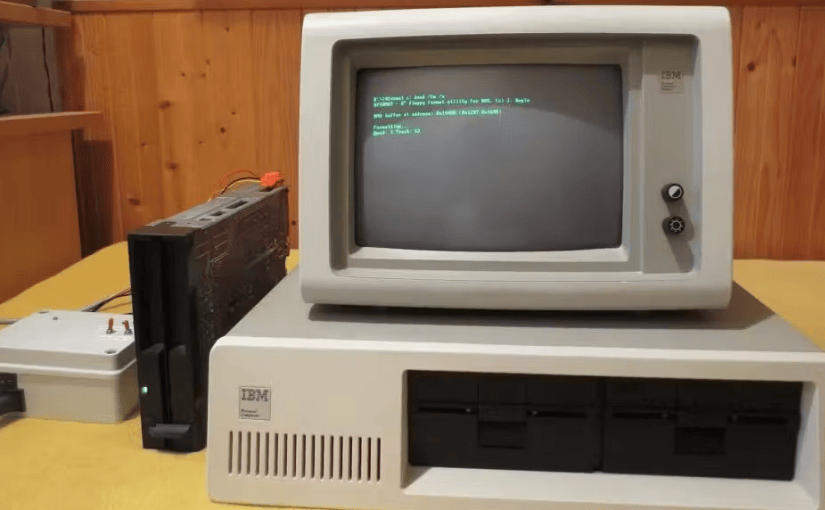
The museum had radios from the 1920’s and an original Edison record player. They had rotary phones with a working switchboard, and an early TV camera hooked up to an old TV. After that came the room full of old computers—and that’s where the experience changed, for me. I recognised them. I remember one of them sitting on the desk when I was growing up. I know how to put the floppy disks in those slots, and flip down the lock. The ATARI game system in the corner—the one my kids thought was so ancient—was the one I used to play on. I can show you how to blow on the cartridges to keep them working, if you want me to. But why would you?

Across from the ATARI, there were mobile phone models that I used to own displayed in a glass case. The stuff I used to carry in my pocket—in a museum display! I still remember how to type out texts with the number pad, pushing the 3 twice for an “e” and the 7 four times for an “s”. I guess that skill isn’t all that useful anymore.

Continue reading My Old, Obsolete Knowledge
In The Internet, But Not Of It

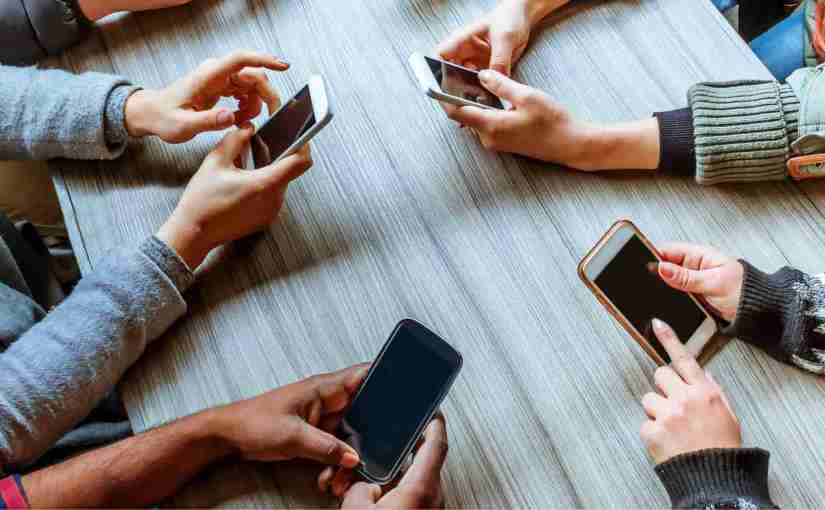
We went on a foreign holiday this summer and amidst all the uniqueness and differences, I noticed one thing that was all too familiar: we still had to dodge people who were too busy looking at their phones to notice where they were walking. I rolled my eyes at them, but then I remembered that one of the first things I looked for in our airbnb was the wifi password. Like it or not, the internet is ubiquitous, and even when we’re not using it our minds can easily turn to the things we’ve seen there, or the things we might post later. This is the way our world works now. But that doesn’t mean we should simply accept the internet’s new role in our lives without thought, or blindly take it on its own terms. There are still decisions to be made, and they are not insignificant. One of the biggest choices is where we will build our lives.

Continue reading In The Internet, But Not Of It

Means With No Ends

I’ve only reached middle age, but I’ve already lived to see the world remade by the introduction of personal computers and then remade again as we brought the power of the internet into our pockets with smartphones. It’s now obvious that another transformation is underway in the development of AI. As it was in the early days of other technologies, no one knows exactly what AI will mean for us long-term, but no one can deny that our world and our lives are changing fast. Humanity is always grasping for more power and control over everything we see and touch, developing new and better tools for ourselves, and we’ve been quite successful: no generation has ever had tools as powerful as the ones we wield today. This sounds like it ought to be good news, but most of us aren’t so sure. Humanity doesn’t have a great track record in using our tools well. I came across an observation recently that cuts through our progress to one of our biggest underlying problems:

“The first great fact which emerges from our civilisation is that today everything has become “means.” There is no longer an “end”; we do not know wither we are going. We have forgotten our collective ends, and we possess great means: we set huge machines in motion in order to arrive nowhere.” – Jacue Sellul

Continue reading Means With No Ends