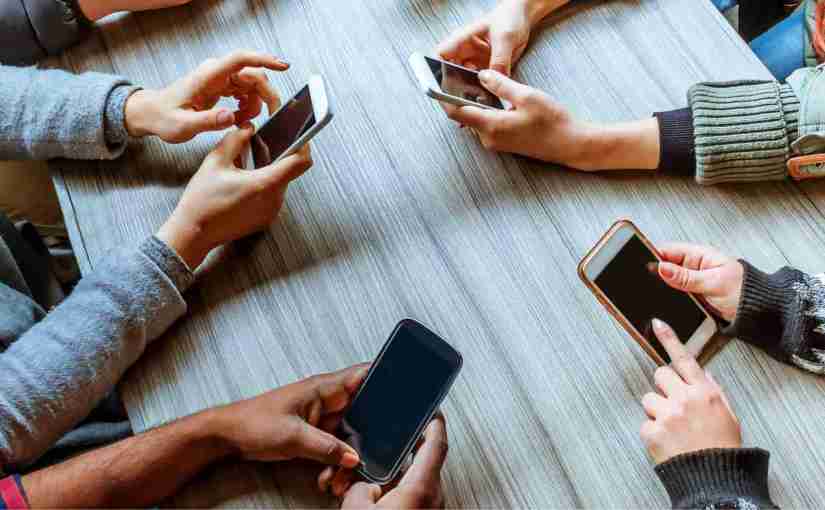
We went on a foreign holiday this summer and amidst all the uniqueness and differences, I noticed one thing that was all too familiar: we still had to dodge people who were too busy looking at their phones to notice where they were walking. I rolled my eyes at them, but then I remembered that one of the first things I looked for in our airbnb was the wifi password. Like it or not, the internet is ubiquitous, and even when we’re not using it our minds can easily turn to the things we’ve seen there, or the things we might post later. This is the way our world works now. But that doesn’t mean we should simply accept the internet’s new role in our lives without thought, or blindly take it on its own terms. There are still decisions to be made, and they are not insignificant. One of the biggest choices is where we will build our lives.
Continue reading In The Internet, But Not Of ItTag: phones
C.S. Lewis On The Danger Of Getting Too Much News
I recently came across this excerpt from a letter C.S. Lewis wrote to a friend. He wrote it in 1946, before the internet was invented, before the dawn of push notifications and instant news updates without pause every moment of every day, and yet the wisdom in these few sentences only grows more important the more our technologies and access to information increases. We’ve reached the stage now where we can hear of every new battle, every devastating famine, every natural disaster and celebrity scandal on the other side of the globe more quickly and easily than we can hear what is happening with our own neighbours in our own community. Here’s what C.S. Lewis said about it:
Continue reading C.S. Lewis On The Danger Of Getting Too Much News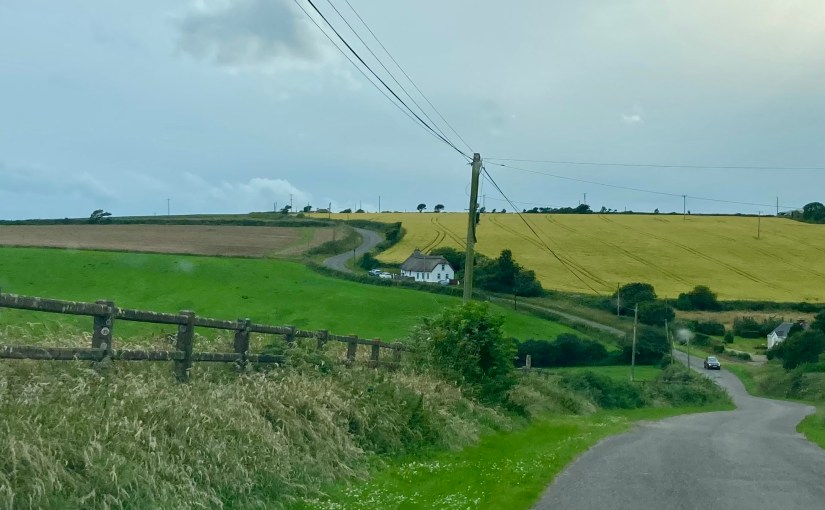
How Satellites Changed How I See The World
I grew up on the edge of a new world. I was the first of my friend group to own a mobile phone—an indestructible Nokia that could call and text, but I didn’t use it to text because that was expensive and who would I text anyway? No internet. No satellite navigation system.
I was 16. My parents gave me the phone because we lived in the country and I had just gotten plastic proof of my adulthood: a full driver’s licence. I drove our little Toyota pickup truck with a tape deck that was so old the tapes would play faster or slower according to the engine rpms—so the tempo of the music changed every time I changed gears. It was hilarious. And really annoying. That truck was mostly reliable, but only mostly. I remember it breaking down on top of a mountain and how thankful I was that I could just barely coast into the driveway of the first house after miles of forest. I didn’t know the people there, but they helped me. I couldn’t always depend on the car, or the phone signal, so I had to depend on strangers. Gradually, as the cellular towers sprang up and the satellite networks became more reliable, our family breakdown stories changed. Helpful strangers began to feature less often in them.
Continue reading How Satellites Changed How I See The World
A Strategic Retreat
About a year ago, I deleted all the social media apps on my phone. It felt drastic at the time, like chopping off my own thumb (you know, the scrolling one). But I still have those apps on my tablet, and I still have both my thumbs, so I don’t think I’ve actually missed much. I still enjoy using social media. I guess I just got tired of missing things in the real world because I was looking at my phone too much when I could have been looking around.
Continue reading A Strategic Retreat sethlewis.ie