A City Whose Builder And Architect Is God

Have you ever noticed that illustrations of heaven tend to lean heavily on Greek architecture? The pillars and spires might be brighter, and the streets paved with gold, but the forms and styles still look familiar. It makes sense—the ancient Greek temples and forums were gorgeous, a true high point of human ingenuity and creativity. But these styles are human conceptions, whereas Hebrews 11:10 tells us that heaven is a city “whose architect and builder is God.”

Have you ever stopped to consider what it looks like when God himself designs and builds a city? 

Continue reading A City Whose Builder And Architect Is God
The Green

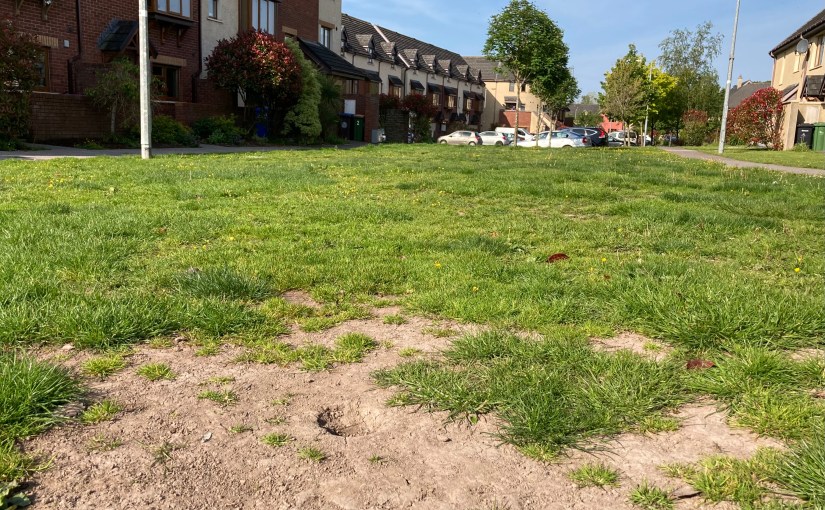
When we moved from America to Ireland fourteen years ago, one of the first things we noticed was the architecture. The buildings in Ireland are quite different from the ones we grew up in, all the way up from the thick concrete (or stone) walls to the slate tiles (or rarely, thatch) on the roofs. The unique climate, resources, history, and culture have all helped to shape these buildings. And they have shaped not only the individual buildings, but also the way the buildings relate to each other and the spaces around them. For example, it makes sense that our village is compact enough to walk everywhere when you consider that it was built hundreds of years before cars were invented. We have cars now, but that’s still a great feature—I love being able to walk easily to any building in town. But one of my favourite features of Irish design is not a building at all. It’s not a structure of any kind, and it doesn’t take a degree in architecture or urban planning to understand it, imagine it, or built it. It’s just a bit of grass, and it’s known as “the green.”

Continue reading The Green