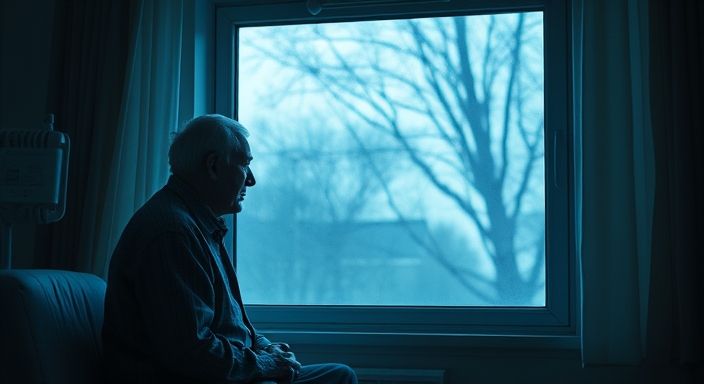
Our representatives in Dublin are voting this evening on whether to approve recommendations for assisted suicide in Ireland. This is only an indicative vote, a first step towards changing our laws, but it is a step that will pave the way for official legislation to be brought forward in the future. The argument in favour of this change is usually framed in the language of compassion and choice—that those who are suffering greatly should be able to end their suffering—and their lives—on their own terms. There are, however, many significant concerns raised in the debate as well. For example, there is the unspoken (or perhaps spoken) pressure to die that allowing this option places on good-hearted people who hate to be a burden on others. Is that really a free choice? Or consider the obvious cost-cutting incentive that assisted suicide gives the health service to end lives rather than provide expensive palliative care. Does that really promote compassion? These concerns are reason enough to oppose assisted suicide, especially in light of the heartbreaking evidence from countries who have already started down this road. But I have another more fundamental objection. I know that the one great benefit and argument for assisted suicide is that it ends suffering. This is true enough. The trouble is that it ends suffering not by treating or managing it, but rather by ending the sufferer. In doing so, assisted suicide creates a new category for our culture—a category of human life that society agrees is simply not worth living.
Assisted suicide is built on the assumption that increasing levels of suffering, pain, and dependence on others serve to decrease the value of living—and that when these levels reach a certain threshold, life is no longer meaningful enough to continue. This raises a question: if some human lives have lost their meaning, what criteria can we use to assess which lives continue to retain their meaning, and why? And whatever criteria we use, whatever line we draw between lives that are worth living and lives that are not, once that line exists what can stop it from shifting along with the winds of popular opinion or political power?
Where does the meaning of our lives come from? That’s the real question. If it can be lost through suffering and dependence, is it created by happiness, comfort, capability, and independence? If so, then healthy, comfortable people who are more capable and able to be more independent must possess more meaning and value to their lives than those who suffer or depend on help from others. This is the logic of assisted suicide. But telling people that their lives are only meaningful when they are healthy and comfortable is not a logic of compassion. It is a logic of despair.
Where does the meaning of our lives come from? Thank God it does not come from our ability, so it cannot be destroyed by our inability. It does not come from our health, so it cannot be destroyed by our sickness. It does not come from our comfort, so it cannot be destroyed by our pain. It does not come from our independence, so it cannot be destroyed by our need for help. The meaning of our lives comes directly from the God who created us with purpose, who came himself to bear our suffering, who valued us in our helpless need for salvation, restoration, and resurrection. There is no such thing as a human life devoid of meaning. That category does not exist. Life is a precious, sacred, and meaningful gift, even when it is hard. Even when it is ending. We did not create our meaning, and no matter what our laws may become or our culture may believe, nothing can remove it. Our society will not be improved by laws that teach our elders, and our disabled, and those who live with depression or suffer in any other way that some human lives are simply not worth living. We don’t have to deal with suffering this way. It would be far better to invest our resources, our energy, and ourselves in the very best palliative and social, mental and physical and spiritual support possible and recognise the unchangeable value of every life, all the way to the end.
 sethlewis.ie
Beautiful piece on such an important topic. Thank you Seth.
LikeLiked by 1 person